

About the City
Hue: Experience the imperial splendor of Vietnam
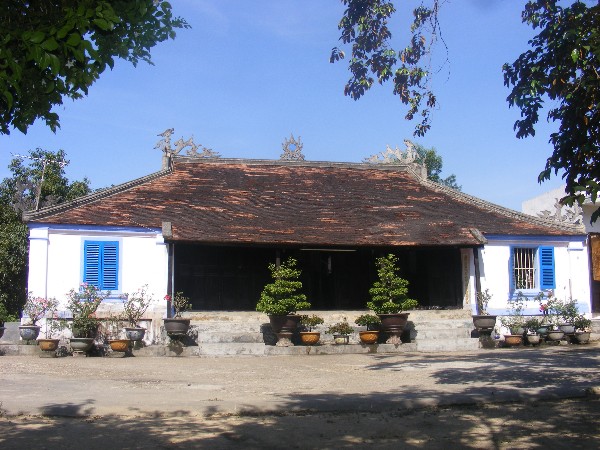
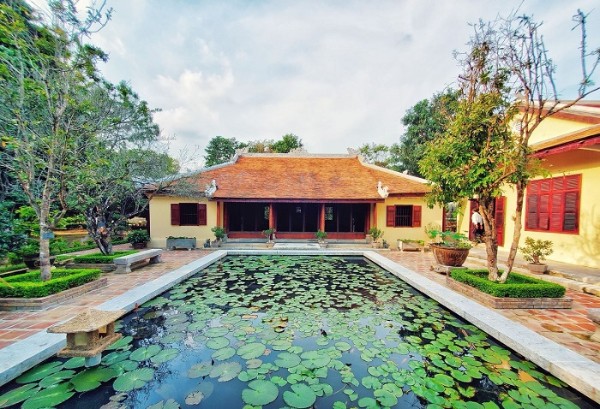
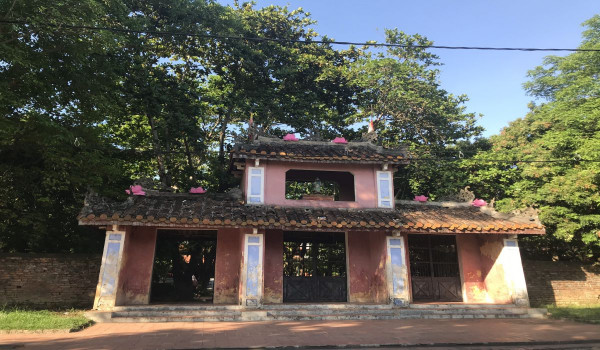
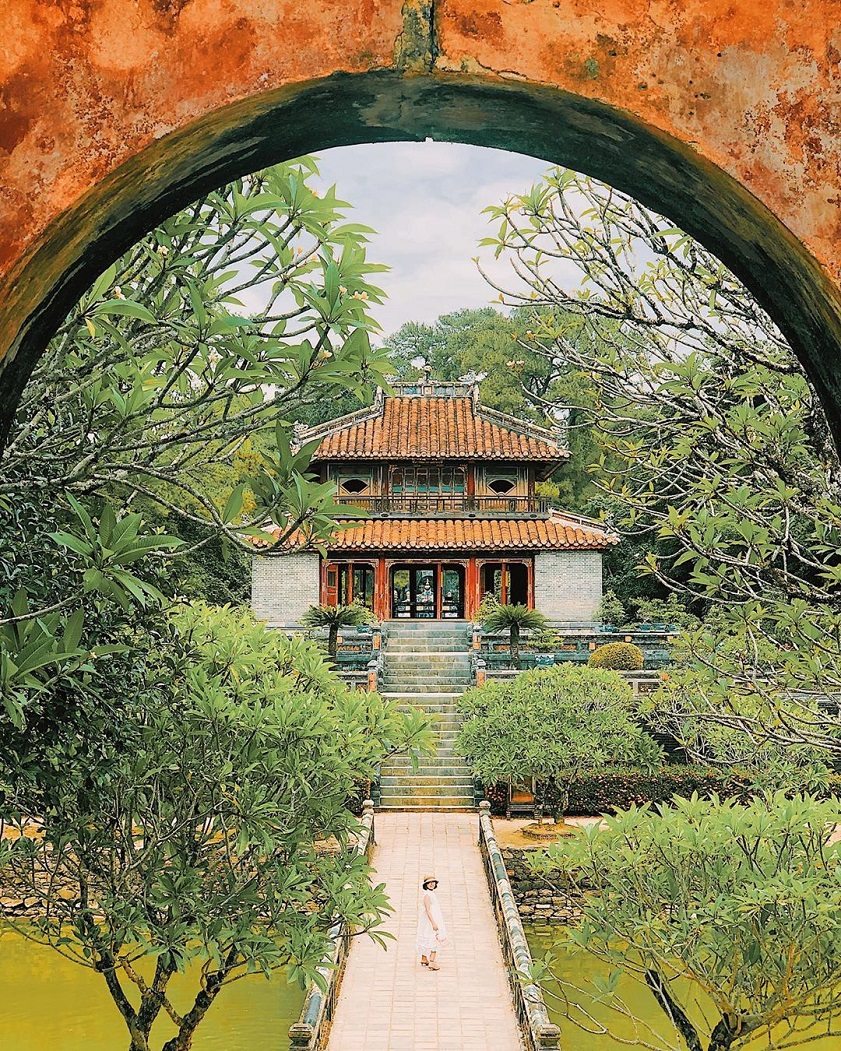
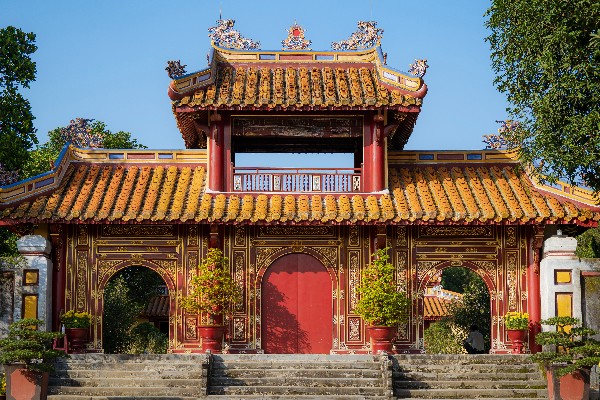
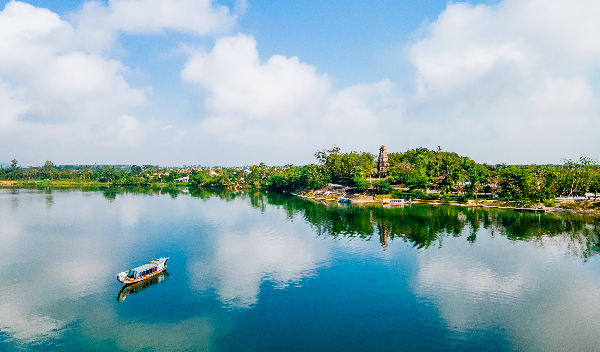
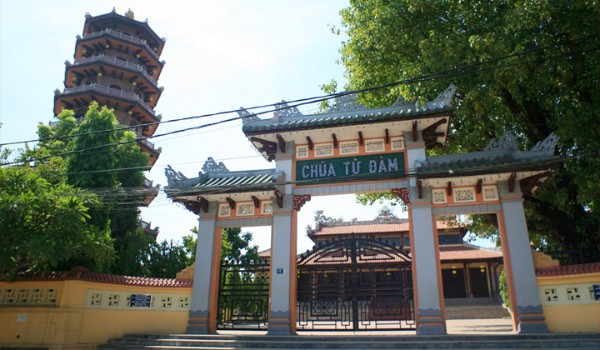
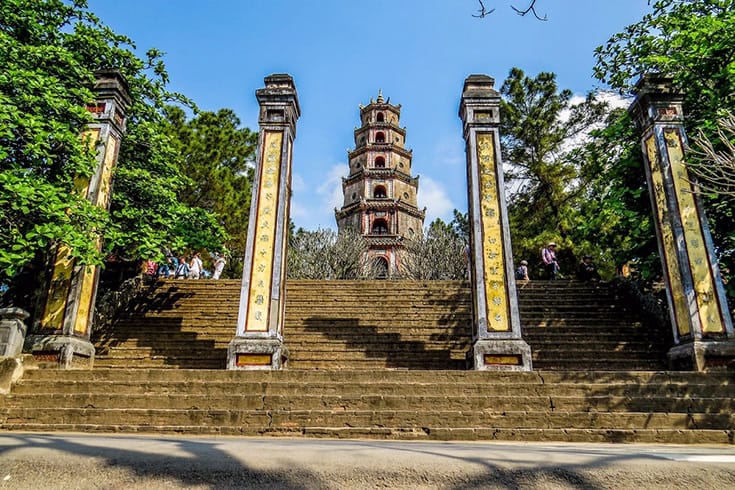
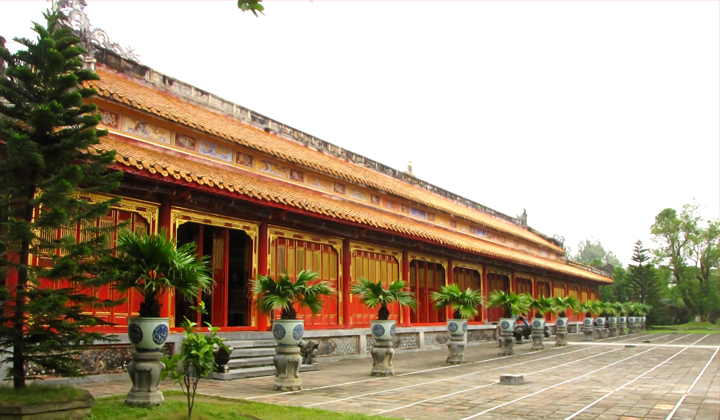
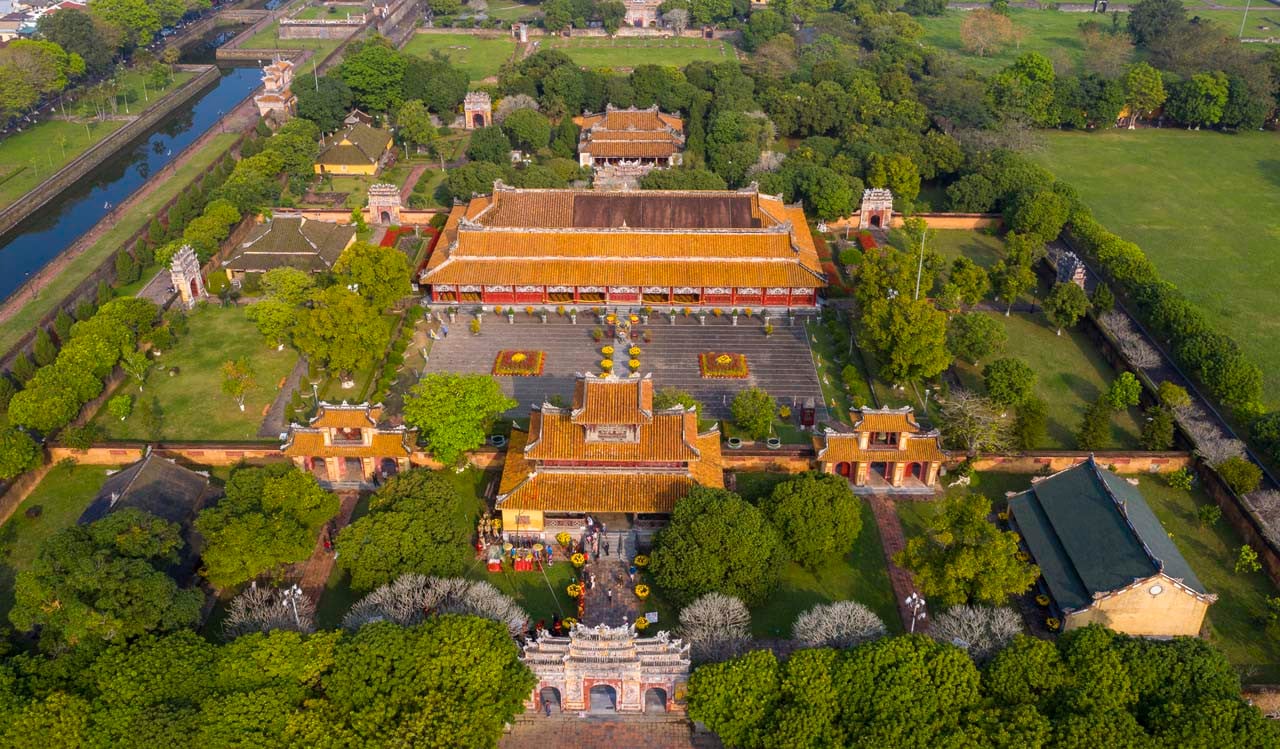
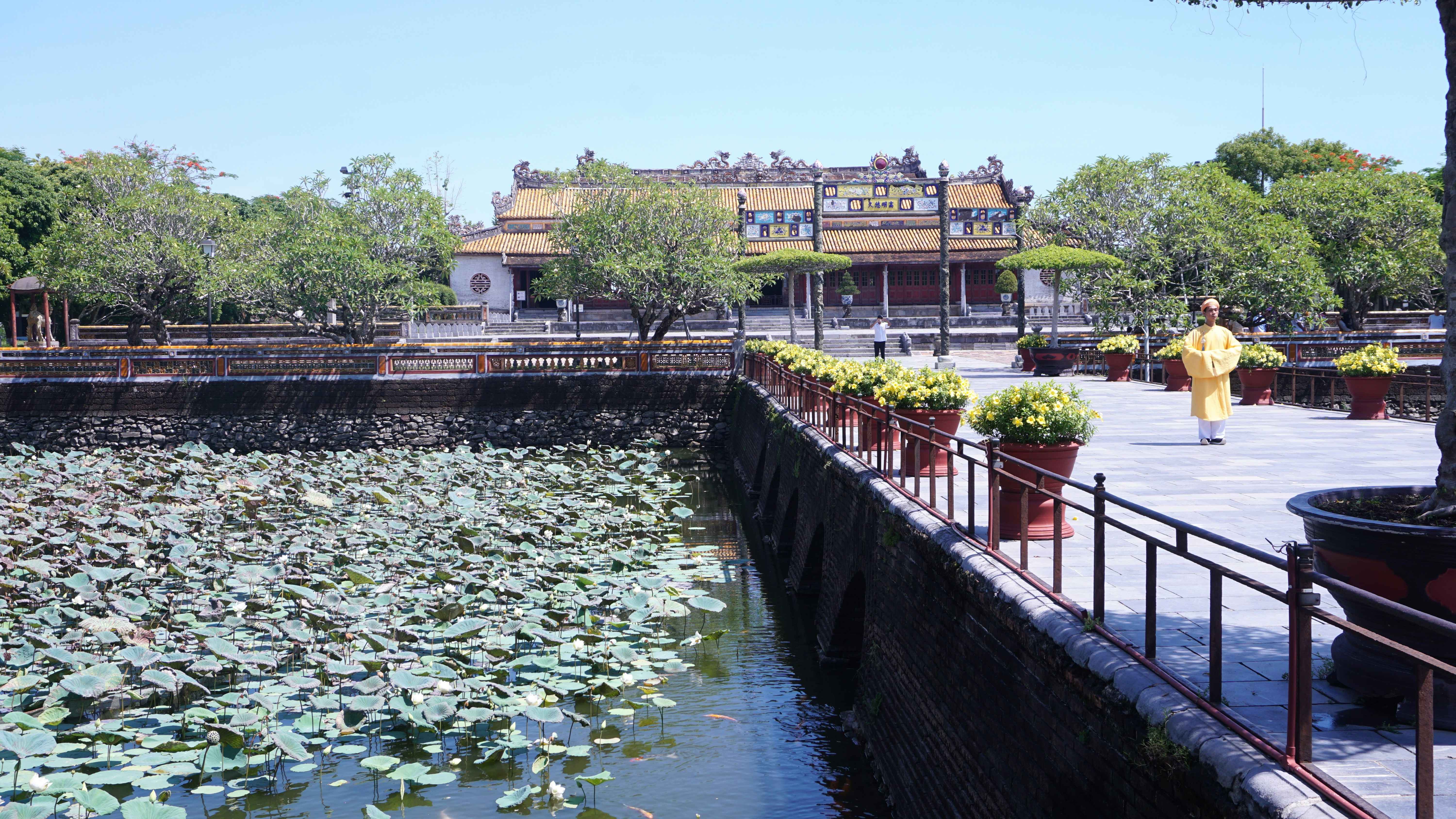
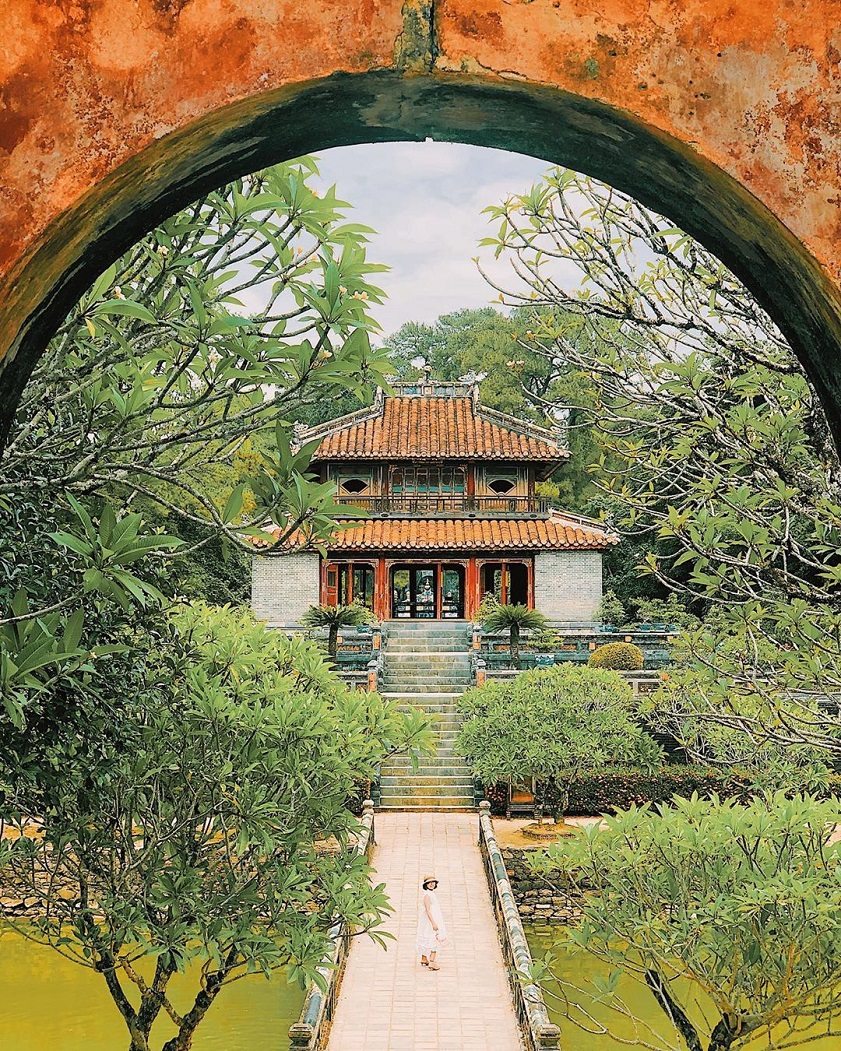
Hue, nestled in central Vietnam, embodies the nation's rich heritage as the former capital of the Nguyen dynasty (1802-1945). This city, a UNESCO World Heritage Site, boasts the grandeur of the imperial citadel, a testament to Vietnam's political and architectural brilliance. Hue's spiritual significance is evident in its temples, like the iconic Thien Mu Pagoda, reflecting centuries-old Confucian and Buddhist traditions.
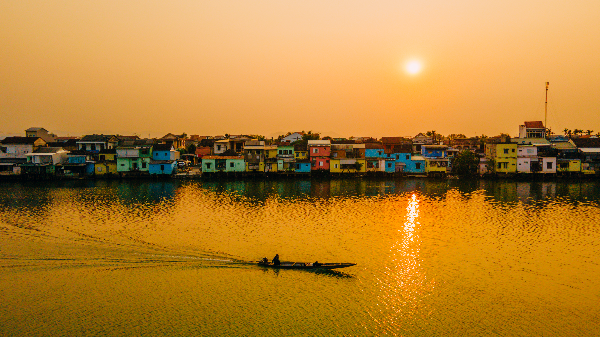
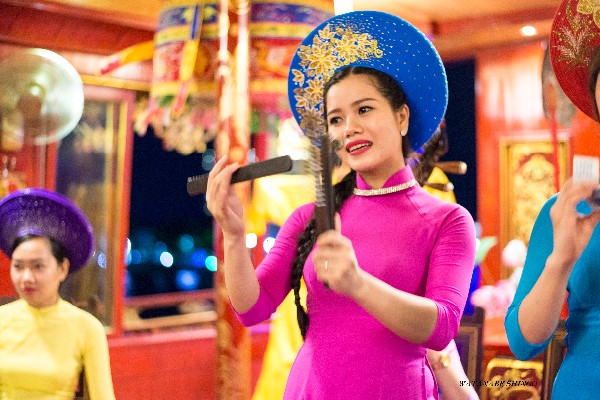
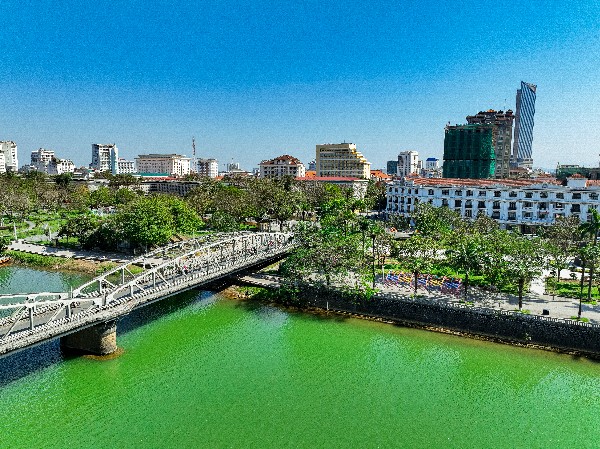
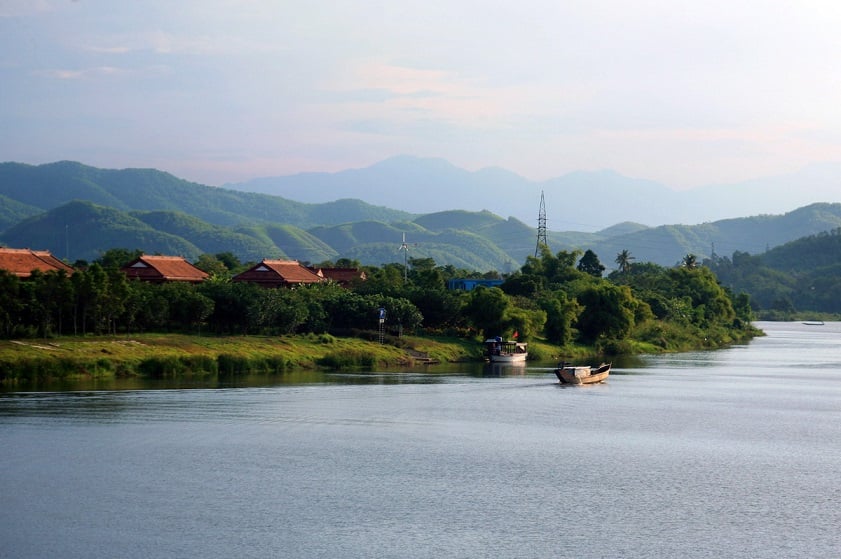
Beyond its historical splendors, Hue resonates with cultural richness. Its traditional music, echoing courtly tunes, and distinctive cuisine, blending royal refinement with everyday flavors, offer a sensory journey into the city's soul. The Perfume River, winding gracefully through Hue, adds a poetic touch, enhancing the city's allure as a living repository of Vietnam's past, making it a captivating destination for heritage enthusiasts.
Time zone
GMT+7
Language
Vietnamese
Money and payment system
Hue, like many other tourist destinations in Vietnam, uses the local currency, the Vietnamese dong (VND), for most transactions. Hue offers convenient money services for tourists. Numerous ATMs, especially in the city center, accept international cards like Visa, Mastercard, and Maestro. Check with your bank for fees and limits. Banks like Vietcombank, Agribank, and Techcombank are popular choices. Larger hotels, restaurants, and shops accept Visa and Mastercard, but it's wise to confirm beforehand. Mobile payment services like GrabPay, MoMo, and ZaloPay are widely used for various transactions. While electronic payments are common, having some Vietnamese dong in cash is advisable for small or rural area purchases.
Weather
Hue experiences diverse weather due to its location in central Vietnam. The city is characterized by misty, drizzly, or rainy conditions, especially during the winter rainy season from February to March. Summer months are hot and dry, with occasional heavy but brief rains. The best time to visit is during the dry season from January to August when temperatures range from 19°C to 26°C. April and May offer particularly temperate weather, making them ideal for outdoor activities. However, visitors should be prepared for occasional rain showers during this period. The city is best avoided during the rainy season, from May to November, due to floods and storms.
Suggested duration of stay
The suggested duration of stay in Hue depends on your interests and budget. If you are interested in seeing all of the major tourist attractions, such as the Imperial City, the tombs of the Nguyen emperors, and the Thien Mu Pagoda, then you will need at least 2-3 days. However, if you want to take your time and explore the city more leisurely, then you could easily spend 4-5 days in Hue.
How to get there
Traveling to Hue from Hanoi, Saigon, or Danang offers three transportation options: by plane, by train, or by coach.
By Airplane: Phu Bai International Airport in Hue serves as the city's aviation hub. Flights from Saigon to Hue take approximately 1 hour and 25 minutes, while from Hanoi, the flight duration is about 1 hour and 10 minutes, with ticket prices starting at around 10 USD. However, the airport is situated 15 kilometers away from the city center, requiring a taxi ride that can cost up to 11 USD.
By Train: Trains from Hanoi to Hue start at 13 USD and last around 14 hours, while from Saigon, prices range from 17 USD to 45 USD, with a duration of 18 to 22 hours. The journey by train provides scenic views of Hai Van Pass.
By Coach: Taking a bus is the most economical choice, with various operators offering services. For instance, from Hanoi, companies like Hoang Long, Camel Travel, or The Sinh Tourist provide buses costing between 11 USD and 15 USD, taking up to 16 hours. From Saigon, options like Phuong Trang, Tam Minh Phuong, Hoang Long, or The Sinh Tourist offer buses priced from 17 USD to 28 USD, taking almost a day due to the longer distance. Traveling from Danang to Hue by bus is convenient and affordable, with options like The Sinh Tourist, HAV Limousine, or Huetourist offering trips for approximately 7 USD, lasting 2 to 3 hours. Travelers should consider these factors and plan their journey accordingly.
How to get around
Getting around in Hue offers several options for travelers.
By Taxi: Metered taxis are available, starting at 17,000 dong for the first 2 km and increasing at 12,000 dong/km. Ensure the meter is on, and if there are issues, negotiate an estimate before paying, standing firm and even involving the police if necessary. A round trip to two tombs, waiting time included, should cost around 350,000 dong (US$20). Alternatively, you can use a hailing app to bargain for a better price with drivers.
By Motorbike: Renting a motorbike, costing approximately US$5-7/day, allows you to navigate the city at your own pace. Some hotels can arrange a motorbike with a driver who can guide you through various attractions, including lesser-known tombs and temples, along with indulging in local delicacies, all for just US$10-12.
By Bicycle: Cycling is a popular and eco-friendly option, with rentals available at 30,000-35,000 dong/day.
By Cycle: The local version of a trishaw, cycles are a unique experience. Agree on a price beforehand and clarify if it's for a round trip. Be cautious of potential scams, especially around tourist areas.
On Foot: Hue is compact, allowing easy exploration of hotels, restaurants, and the citadel on foot.
ATTRACTIONS


STAY
Hue offers diverse accommodation options catering to various budgets and preferences. Choices range from budget hostels to mid-range hotels and luxurious resorts. Accommodations are scattered across the city, with popular areas including the Old Quarter, the Citadel, and near the Hue Railway Station. Visitors can expect varying quality levels, with budget hostels providing basic yet clean rooms. Mid- range hotels offer additional amenities like pools and restaurants, while luxury resorts boast private beaches and personalized services. Village homestays, situated in traditional Vietnamese houses in rural villages like Thuy Bieu and Nguyet Bieu, offer a chance to experience local life. The Pham Ngu Lao area is a hub for budget accommodations, with guesthouses available at affordable rates, especially when negotiated in person.


