

About the City
Bagan: Where ancient temples and stunning landscapes collide
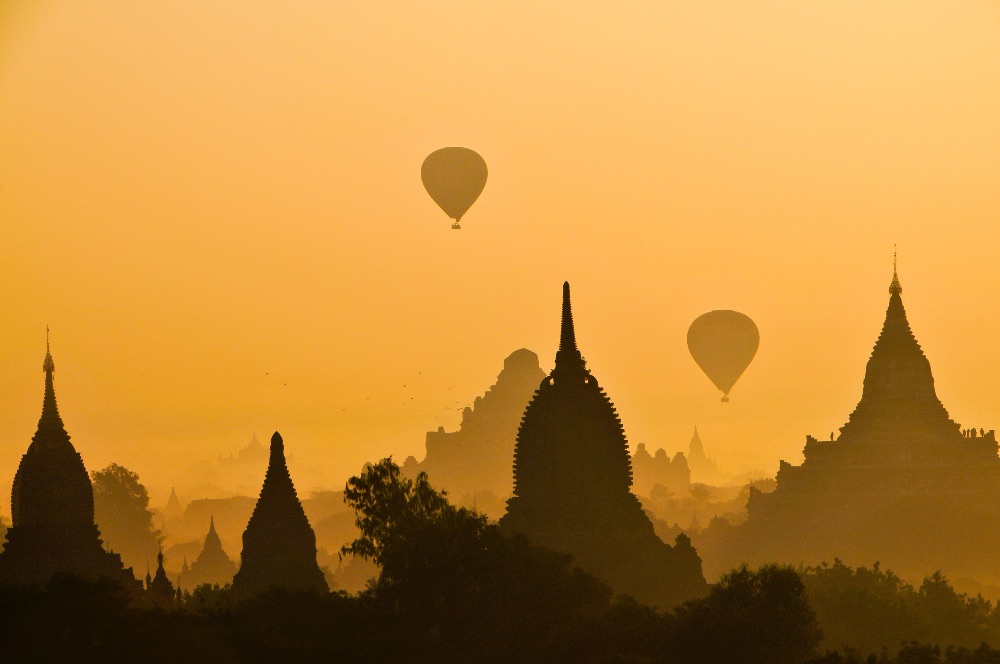
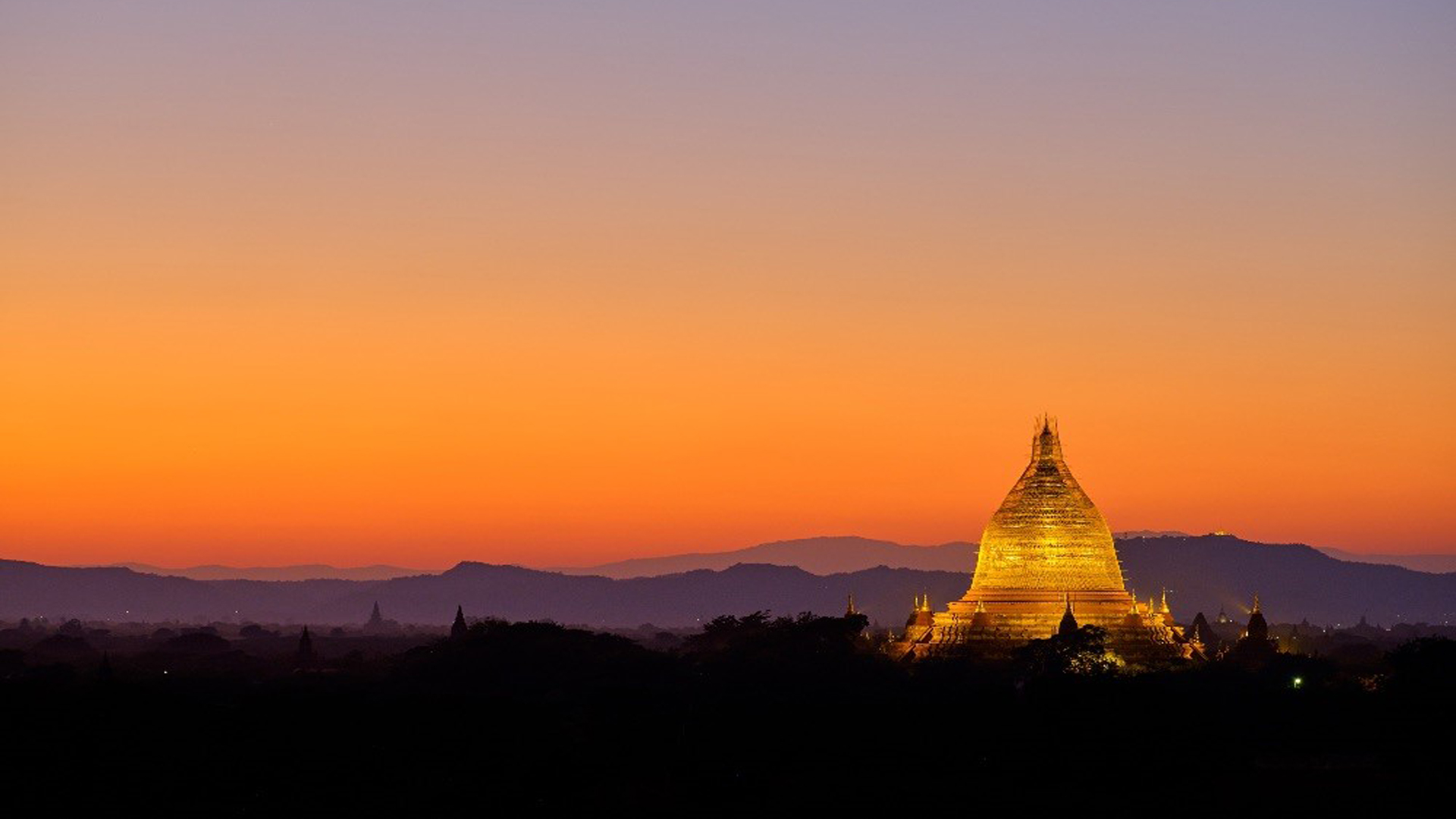
Bagan, an awe-inspiring UNESCO World Heritage Site in Myanmar, preserves the glorious remnants of a bygone era. Nestled along the picturesque Irrawaddy River, Bagan served as the vibrant capital of the Pagan Empire from the 9th to the 13th century. This ancient city, a beacon of cultural and religious significance, was the epicenter of Burmese culture and Theravada Buddhism’s propagation.
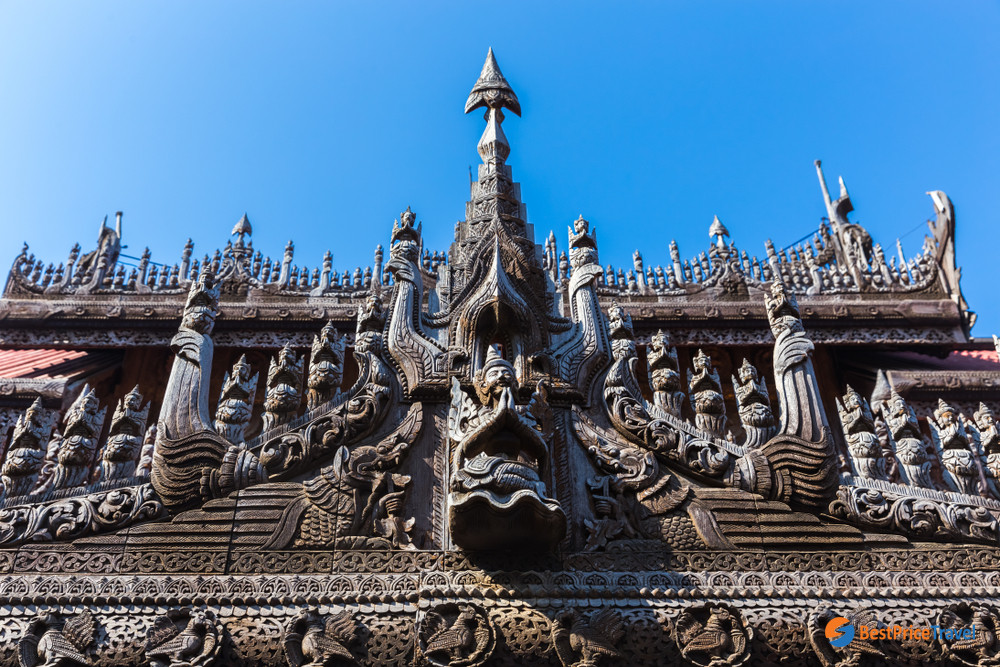
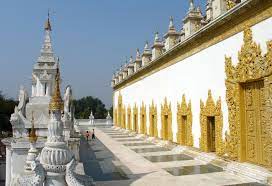
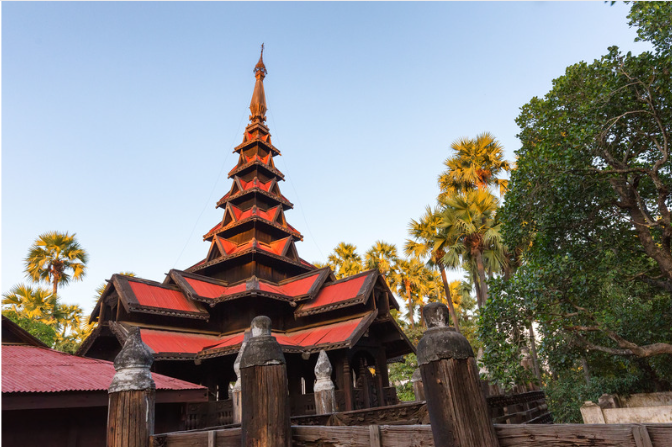
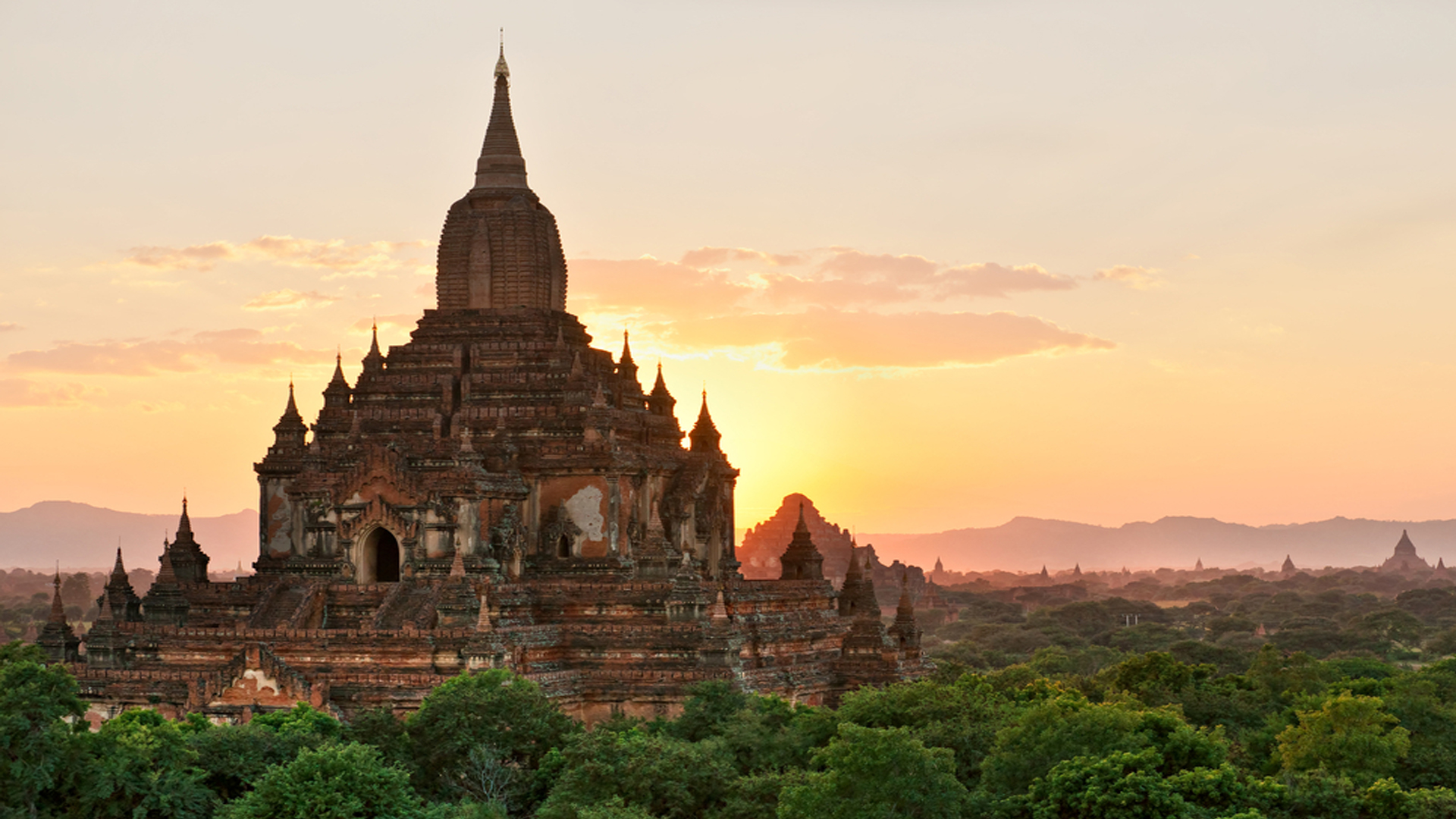
In its prime, Bagan boasted over 13,000 resplendent brick temples, symbolizing the empire's architectural brilliance. Despite the ravages of time, approximately 2,300 temples and pagodas still grace the Bagan Archaeological Zone, spanning 104 square kilometers. The city's zenith can be credited to King Anawratha, who, in the mid-9th century, embraced Theravada Buddhism, fostering a cultural renaissance. Bagan became a hub of trade, learning, and spiritual enlightenment, drawing pilgrims from diverse lands.
Tragically, Bagan faced devastation in 1287 during a Mongol invasion, leading to the decline of its grandeur. Today, Bagan remains a captivating time capsule, inviting travelers to explore its ancient wonders amidst the scenic beauty of the Irrawaddy River. It stands as a testament to human ingenuity and cultural heritage, captivating the imagination of visitors and weaving an unforgettable narrative of Myanmar's rich history and enduring spirituality.
Time zone
GMT+6:30
Language
The official language of Myanmar is Myanmar (formerly known as Burmese). While English is still widely spoken in many parts of the country.
Phone and Internet
Phone and internet services in Bagan are generally good. Major mobile operators provide coverage throughout the area, and most hotels offer Wi-Fi access. However, be aware that there can be some spotty coverage in more remote areas, such as the temples outside of the main archaeological park.
Money and payment system
The Myanmar Kyat is the official currency unit of Myanmar. Although the Kyat is subdivided into 100 pyas, pya coins are limited; banknotes of up to 1,000 Kyat are mainly used.
Although there have been several ATMs available in Nyaung U and New Bagan, the ongoing political crisis and conflict in the country have led to a financial services crisis. ATMs are non-operational, and Visa cards and other foreign bank cards are not being accepted. Currently, the only viable option is to use local currency cash.
Weather
Bagan, located in central Myanmar, experiences a climate typical of the region. The weather is predominantly divided into two main seasons: the dry season, spanning from November to May, and the rainy season, occurring from June to October. The optimal time to visit Bagan is during the dry season, particularly from November to February, when the weather is pleasantly cool and the skies are clear, providing ideal conditions for exploring the ancient temples and archaeological sites. During the dry season, visitors can expect sunny days and comfortable temperatures, making it the perfect time for outdoor activities and sightseeing. However, the months of March to May can get exceptionally hot, with temperatures soaring, making it less favorable for extended outdoor adventures. Even during the rainy season, Bagan's weather is relatively mild compared to other parts of the country, with occasional showers in the mornings and clearer skies in the afternoons, allowing travelers to enjoy the beauty of this historical city.
Suggested duration of stay
To truly savor the beauty and attractions of Bagan, it's best to stay for 3 to 4 nights instead of just doing a day trip from Mandalay, considering the longer travel time. While the main temples in the Old Bagan Archaeological Zone can be seen in a day, an extra day or two is advised to explore temples and attractions outside the zone, including Mount Popa and the villages of Nyaung U and Old Bagan. This extended stay of 3 to 4 nights provides the ideal timeframe for a deep and captivating experience of Bagan.
How to get to Bagan
There are three main ways to get to Bagan: by plane, bus, or train.
By plane: The fastest way to get to Bagan is by plane. There are several airlines that offer direct flights from Yangon to Nyaung U Airport (NYU), which is located about 4 kilometers from Bagan. The flight time is approximately 1 hour and 15 minutes.
By bus: There are several bus companies that offer direct bus services from Yangon to Bagan. The bus journey takes approximately 9-10 hours. Buses depart from Yangon Aung Mingalar Highway Bus Terminal several times throughout the day.
By train: There is one direct train that runs between Yangon and Bagan. The train journey takes approximately 17-18 hours. The train departs from Yangon Central Railway Station at 4:00 PM and arrives in Bagan at 9:30 AM the next day.
How to get around
In Bagan, getting around is an essential aspect of exploring this historical wonder. Several transportation options cater to different preferences and budgets.
Walking: Ideal for short trips within town, New Bagan, or Nyaung U. However, it's not convenient for temple explorations, especially starting from Old Bagan due to the vast area. Shared Pickups: Available between Nyaung U and Old Bagan (200 kyat) and New Bagan and Old Bagan (400 kyat). Although drivers might attempt higher rates, patiently waiting for the next pickup can avoid overcharging. This option suits specific destinations within the towns.
Bicycle: An affordable and eco-friendly way to explore Bagan, especially in the morning when the weather is pleasant. Most hotels offer bike rentals (1,000 kyat per day). Biking is excellent for flat areas but can be challenging on sandy paths during the dry season.
E-bike: Similar to bicycles but electric, offering more speed and convenience. Prices vary based on the type of e-bike and duration, ranging from 4,000 to 8,000 kyat per day. They're especially useful in the heat and can cover more ground than regular bikes.
Horse and Carriage: A classic and leisurely way to experience Bagan's sights. Drivers can be found easily after sunset. They charge around 10,000 to 15,000 kyat per day for up to 4 people, with options for spontaneous stops and detours. Rent a Chauffeured Car: The most convenient choice for comprehensive tours. Cars, indicated by government accreditation stickers, can be rented from the tourist information office at New Bagan. The cost is approximately US$35 per day per car, accommodating up to 4 passengers. Electric scooters are becoming increasingly popular in Bagan, and can be rented from some hotels and guesthouses.
Rent a Chauffeured Car: The most convenient choice for comprehensive tours. Cars, indicated by government accreditation stickers, can be rented from the tourist information office at New Bagan. The cost is approximately US$35 per day per car, accommodating up to 4 passengers.
Electric scooters are becoming increasingly popular in Bagan, and can be rented from some hotels and guesthouses.
Handicrafts
Bagan is renowned for its handicrafts, notably lacquerware adorned with intricate designs. This traditional craft involves applying layers of tree sap to create durable, polished objects like bowls and plates. Wood carving and textile weaving are also popular, producing items ranging from statues to silk fabrics. Thanakha, a yellow paste made from tree bark, is used for skincare and sold as a souvenir. Visitors can find these crafts in markets like Nyaung U and Old Bagan, as well as stalls at temples like Ananda and Dhammayangyi. Bargaining is common, ensuring unique, quality souvenirs while supporting the local economy.
Bagan local gastronomy
Bagan, a renowned tourist hub in Myanmar, boasts a delectable culinary scene.
Among the top dishes to savor are Burmese curry, a flavorful blend of spices and meats served with rice.
Rice noodles with coconut juice and chicken offer a unique local twist, often prepared with minimal water, relying on coconut juice for the noodles' base.
Tea leaf salad, a Burmese specialty, combines sour tea leaves with cabbage, tomatoes, and various crunchy elements for a refreshing salad.
Fish soup rice noodles, a Northern Myanmar delicacy, feature soft noodles and fresh fish in a flavorful broth.
Glutinous rice, mixed with aromatic seasonings and served with dried meat or shrimp paste, provides a fragrant and budget-friendly option.
Beyond these, Bagan's diverse culinary landscape offers an array of delicious foods worth exploring. When indulging, embrace the local custom of eating with your right hand and be prepared for the spice typical of Burmese cuisine.
Restaurants
Restaurants and cafes: There are numerous restaurants and cafes in Bagan, offering a variety of local and international cuisine. Some popular choices include Weather Spoon's Bagan, Star Beam Bistro, and Black Bamboo.
Street food: Street food is also abundant in Bagan, with many vendors selling snacks and local specialties such as samosas, noodles, and curries.
Entertainment and nightlife
Bagan has a few bars that are popular among tourists, such as The Moon Vegetarian Restaurant & Bar and The Sky Bar.
ATTRACTIONS

STAY
Bagan offers accommodations in Nyaung-U, Old Bagan, and New Bagan. Old Bagan has luxury hotels near temples, while New Bagan offers more choices but lacks liveliness. Proximity to temples matters less due to the area's size. Nyaung-U is convenient, especially for backpackers, with abundant options. Booking ahead is vital, from luxury hotels like Bagan Lodge to budget options like Ostello Bello Bagan. Travelers can compare using online maps for a comfortable stay in Bagan, regardless of budget.


