

About the City
Ayutthaya: A UNESCO World Heritage Gem on the Chao Phraya River
Nestled peacefully on the tranquil shores of the Chao Phraya River, Ayutthaya is a captivating historical city located approximately 80 kilometers north of Bangkok, Thailand's capital. Established in 1350 as he second capital of the Siamese (Thai) Kingdom and positioned on an island surrounded by rivers, it succeeded Sukhothai for over four centuries.
Atutthaya became a global hub for diplomacy and trade due to its strategic location preventing attacks from sea-going warships and floods. However, in 1767, it was razed to the ground by the Burmese army, leading to its abandonment.
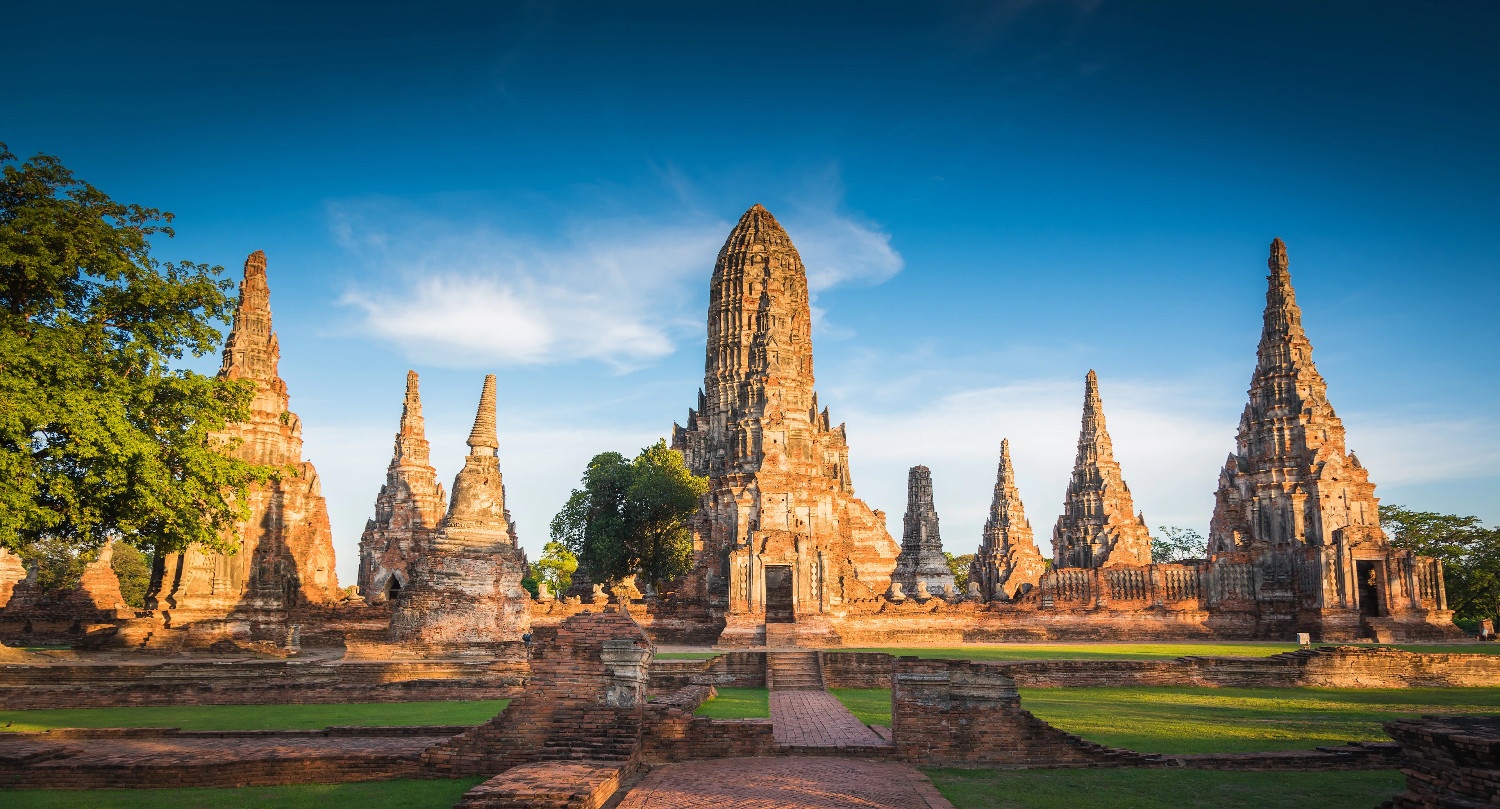
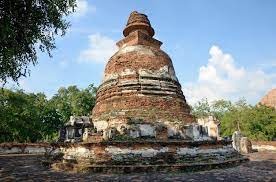
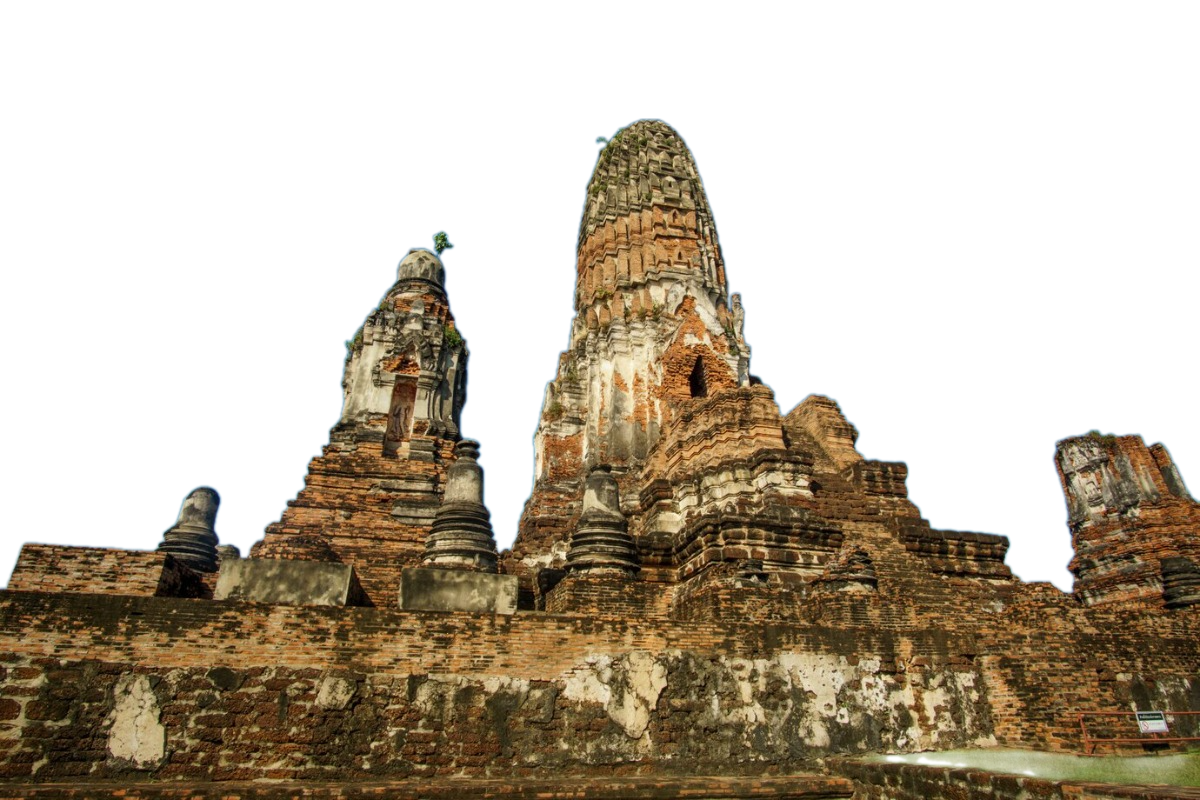
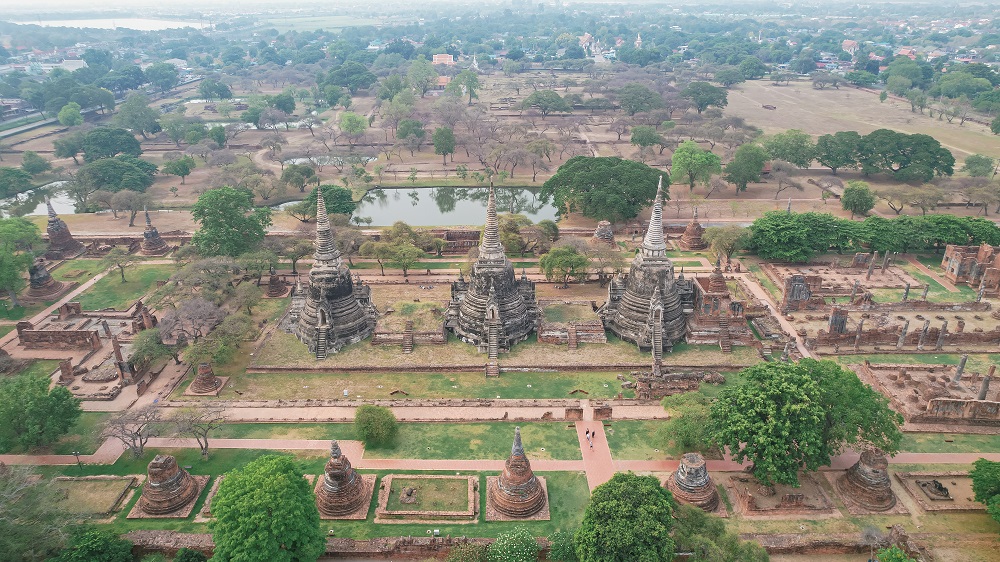
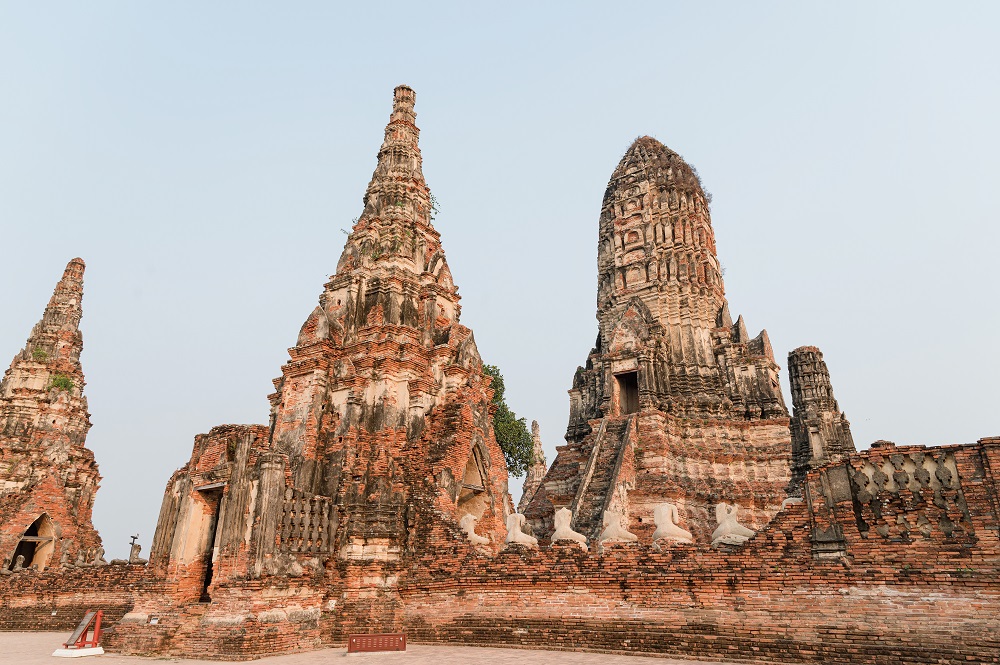
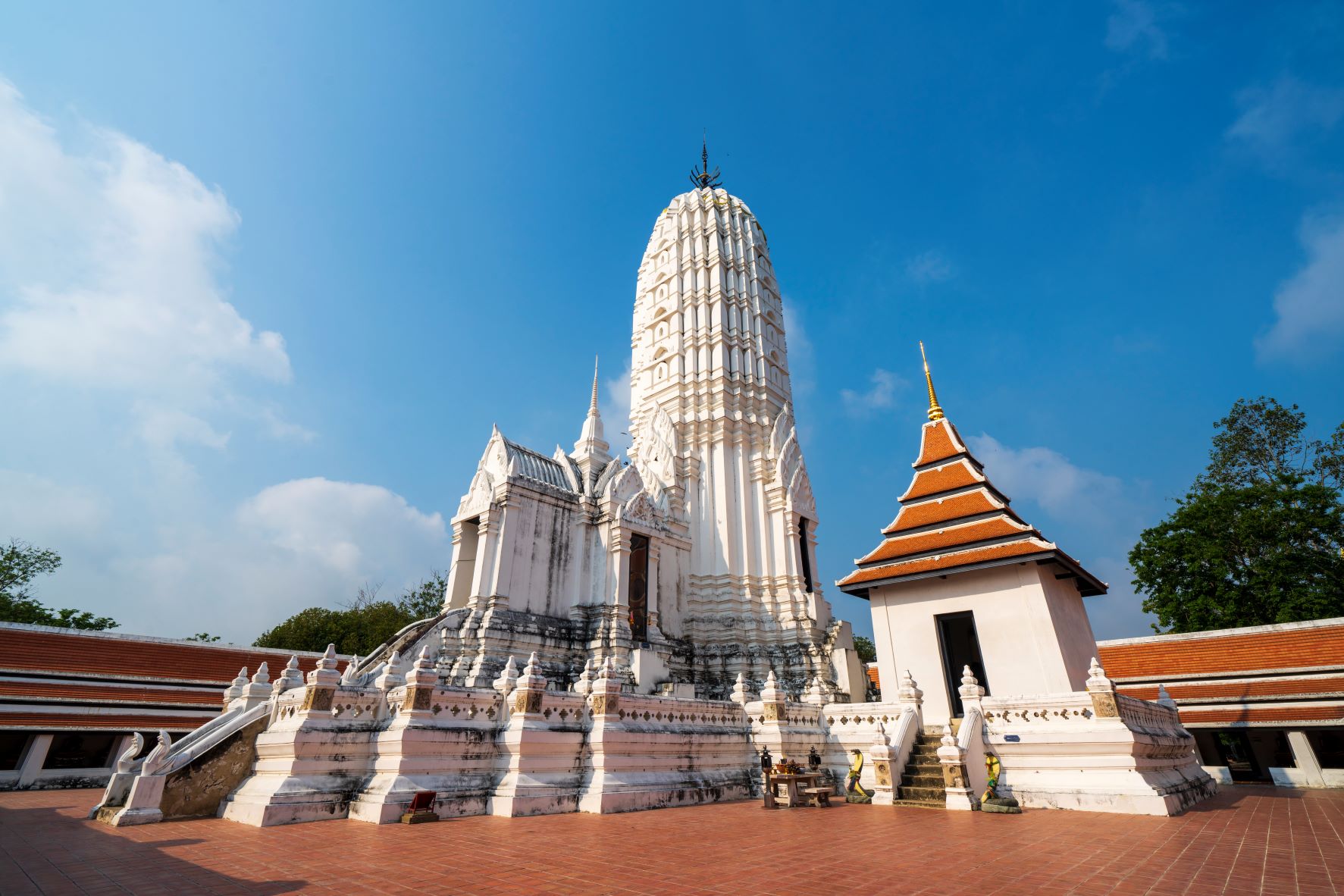
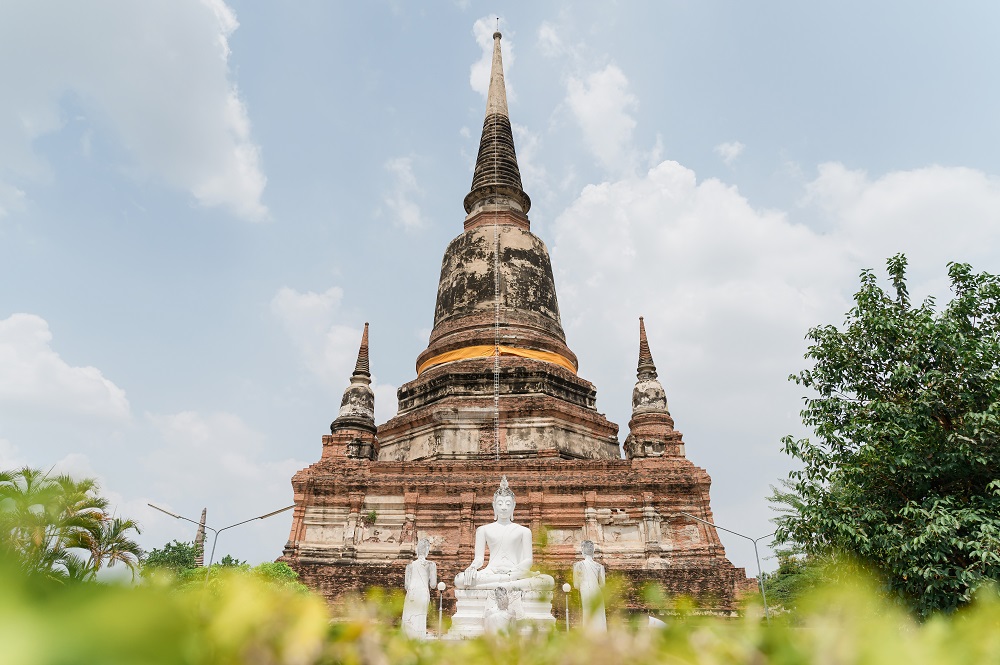
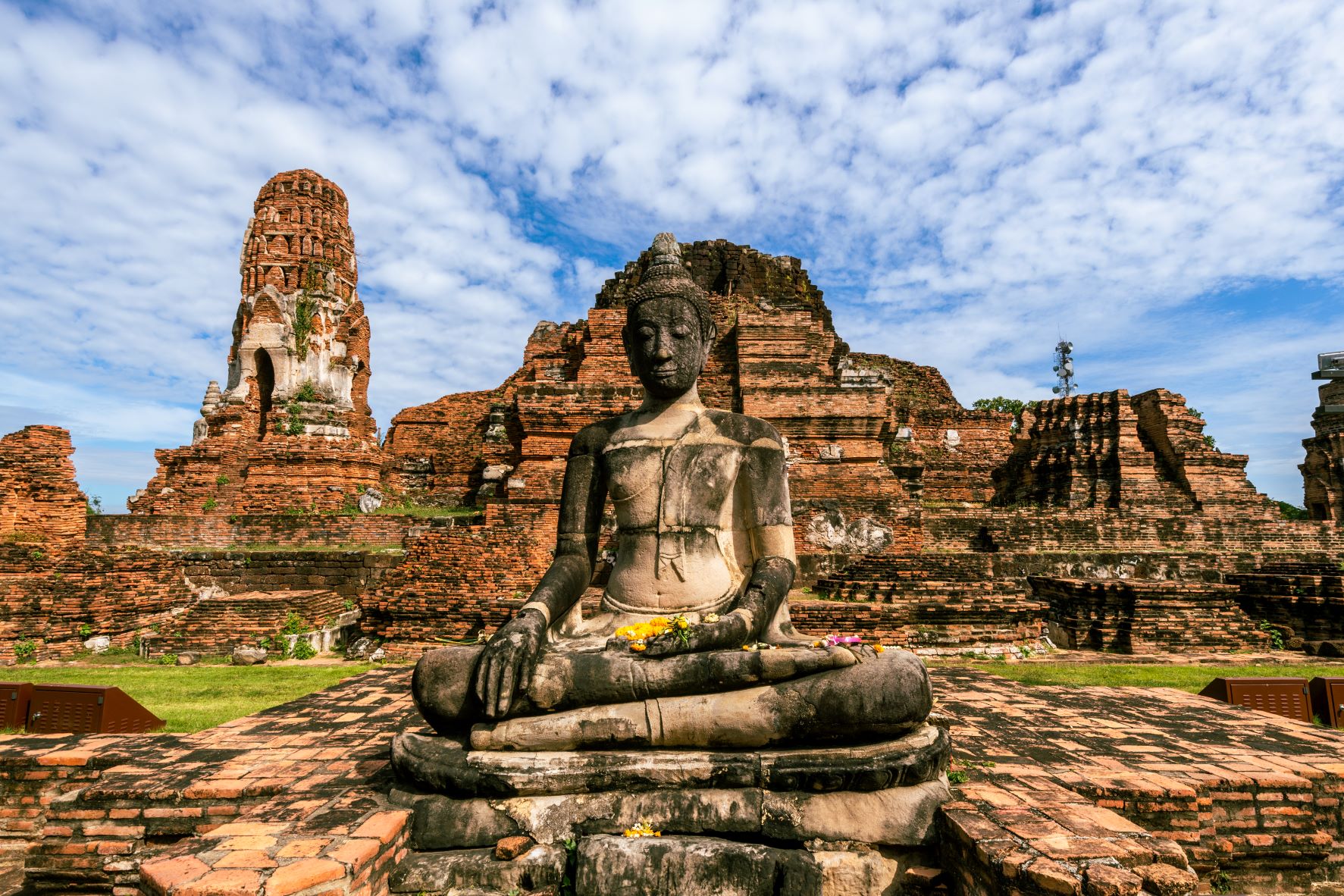
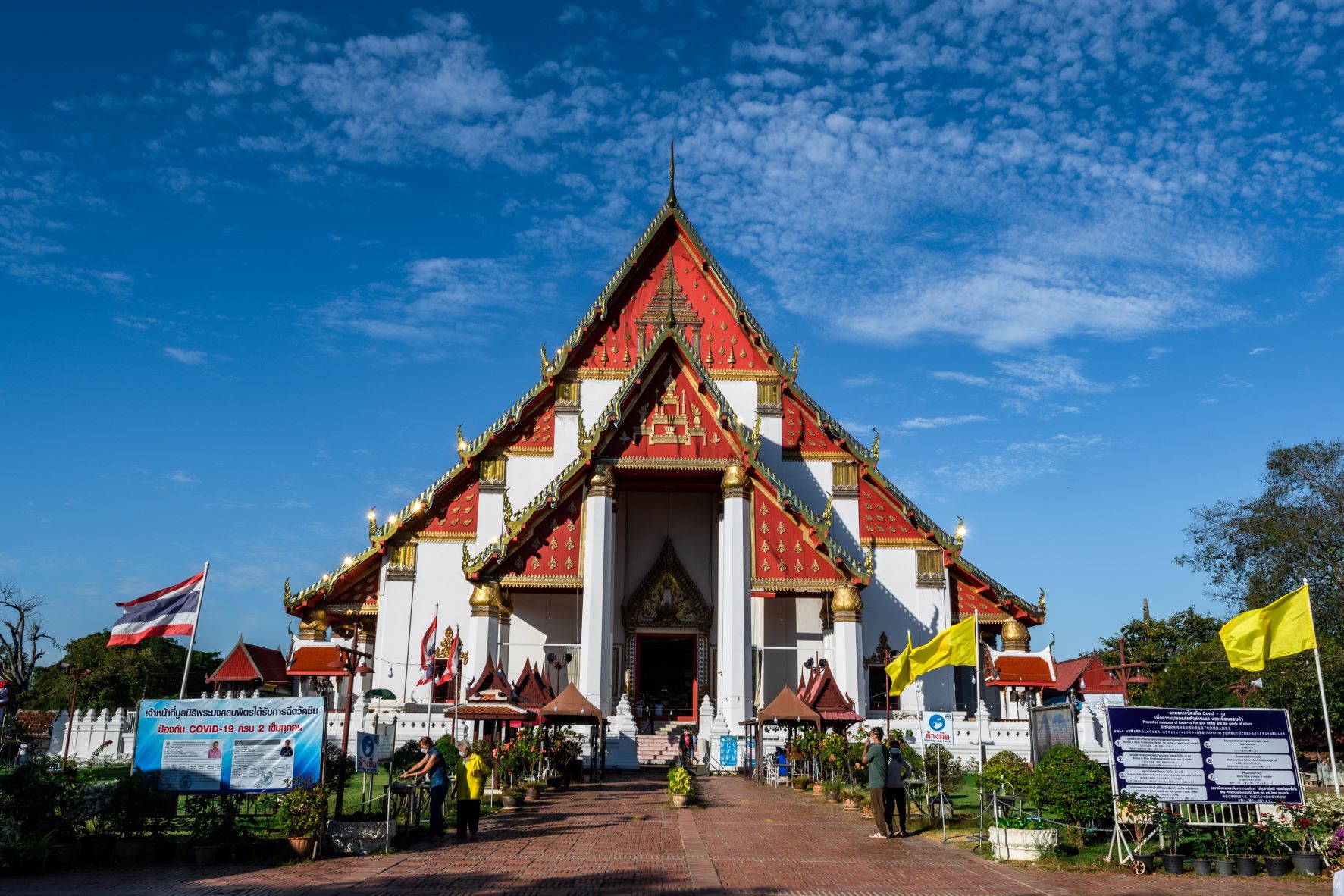
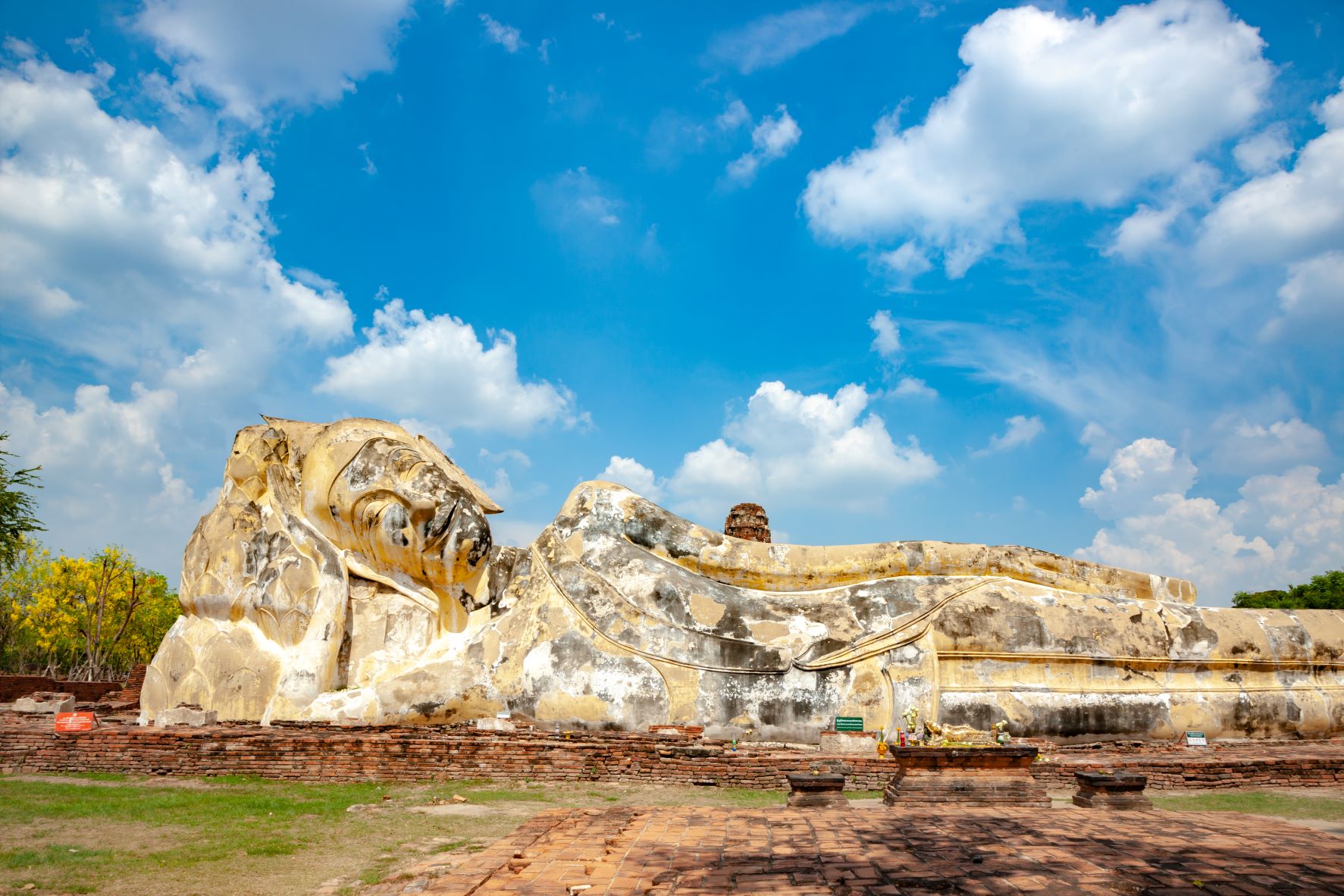
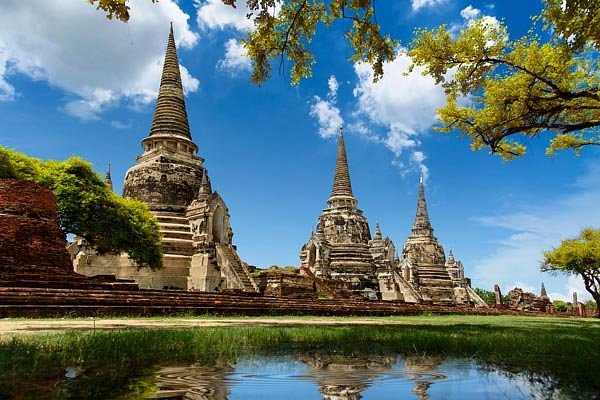
This once vibrant center of international relations and commerce is now a ruin, showcasing many tall prangs (reliquary towers) and monumental Buddhist monasteries that reflect its past grandeur. The city's significance also lies in its historical prominence as one of the world's largest urban areas, showcasing the cosmopolitan nature of ancient civilizations and serving as a testament to the splendor of its architecture.
Today, Ayutthaya is an extensive UNESCO World Heritage Site covering 289 hectares, and preserving its rich cultural heritage for future generations to study and admire.
Time zone:
Indochina Time (GMT+7)
Language:
The main language spoken in Ayutthaya now is Thai.
Phone and Internet
The Thai phone system is both modern and widespread, with comprehensive coverage for cell phones and reliable pay phones found throughout the kingdom. Purchasing a second-hand Thai phone is inexpensive and convenient, and calling from Thailand on a public phone is easy with a phone card available at most convenience stores. Emergency numbers are often three or four digit numbers, including Tourist Police, which is 1155.
Hotels, restaurants and cafés in Thailand provide free Wi-Fi internet access to their guests and customers.
Money and payment system
The official currency is the Thai Baht (THB). There are several ATMs located throughout Ayutthaya, and most major credit cards are accepted at hotels, restaurants, and shops. However, it's always a good idea to carry some cash with you, especially when visiting local markets or street food vendors.
Weather
The best time to visit Ayutthaya, Thailand, is during the dry and cool season from November to February when temperatures range from 15°C to 28°C (59°F – 82°F). This period offers pleasant weather, making it perfect for exploring outdoor attractions and historical sites without the discomfort of intense heat.
The hot season from March to May sees temperatures soaring above 35°C (95°F) with increased humidity, making outdoor activities challenging, but manageable during cooler parts of the day. The rainy season from June to October brings occasional heavy downpours, cooling temperatures to a range of 24°C to 32°C (75°F – 90°F) and creating lush landscapes.
Travelers are advised to pack lightweight clothing, comfortable shoes, sunscreen, and rain gear, especially during the rainy season. However, it's crucial to consider air quality, particularly in the winter months, due to air pollution from burning activities. Travelers should weigh the trade-off between good weather and air quality when planning their visit.
Suggested duration of stay
To fully appreciate Ayutthaya's beauty and attractions, it's advisable to stay for at least 2 to 3 nights rather than opting for a day trip from Bangkok, as it's not far from the capital. While the main temples within Ayutthaya island can be explored in one day, an additional day is recommended to cover the temples and museums outside the island. A 2 to 3-night stay is thus the perfect timeframe to truly experience Ayutthaya's most captivating aspects.
How to get there
There are several ways to get to Ayutthaya from Bangkok, each with its own advantages and disadvantages.
- By train:
The cheapest and most scenic way to reach Ayutthaya is by train. Trains depart regularly from Hua Lamphong Railway Station in Bangkok and take approximately 1 to 2 hours to reach Ayutthaya. There are three types of trains available: ordinary, rapid, and special express. Ordinary trains are the cheapest option, but they do not have air conditioning. Rapid trains have air conditioning, but they are not as fast as special express trains. Special express trains are the fastest and most comfortable option, but they are also the most expensive.
- By bus
Buses are a more convenient option than trains, as they depart from several locations in Bangkok, including the Northern Bus Terminal (Mo Chit) and the Southern Bus Terminal (Sai Tai). The journey to Ayutthaya takes approximately 1.5 to 2 hours. There are both air-conditioned and non-air-conditioned buses available.
- By minivan
Minivans are the fastest way to get to Ayutthaya from Bangkok. They depart from several locations in Bangkok, including Khaosan Road and the Makkasan Station. The journey to Ayutthaya takes approximately 1 to 1.5 hours.
- By car
If you are renting a car, you can drive to Ayutthaya from Bangkok in approximately 1 to 1.5 hours. The most direct route is via Highway 1 (Phahon Yothin).
- By taxi
Taxis are the most expensive way to get to Ayutthaya from Bangkok, but they are also the most convenient. The journey to Ayutthaya takes approximately 1 to 1.5 hours.
- The best option for you will depend on your budget, time constraints, and preferences. If you are on a tight budget, the train is the best option. If you are short on time, the minivan is the best option. If you are looking for the most comfortable option, the special express train or taxi is the best option.
How to get around
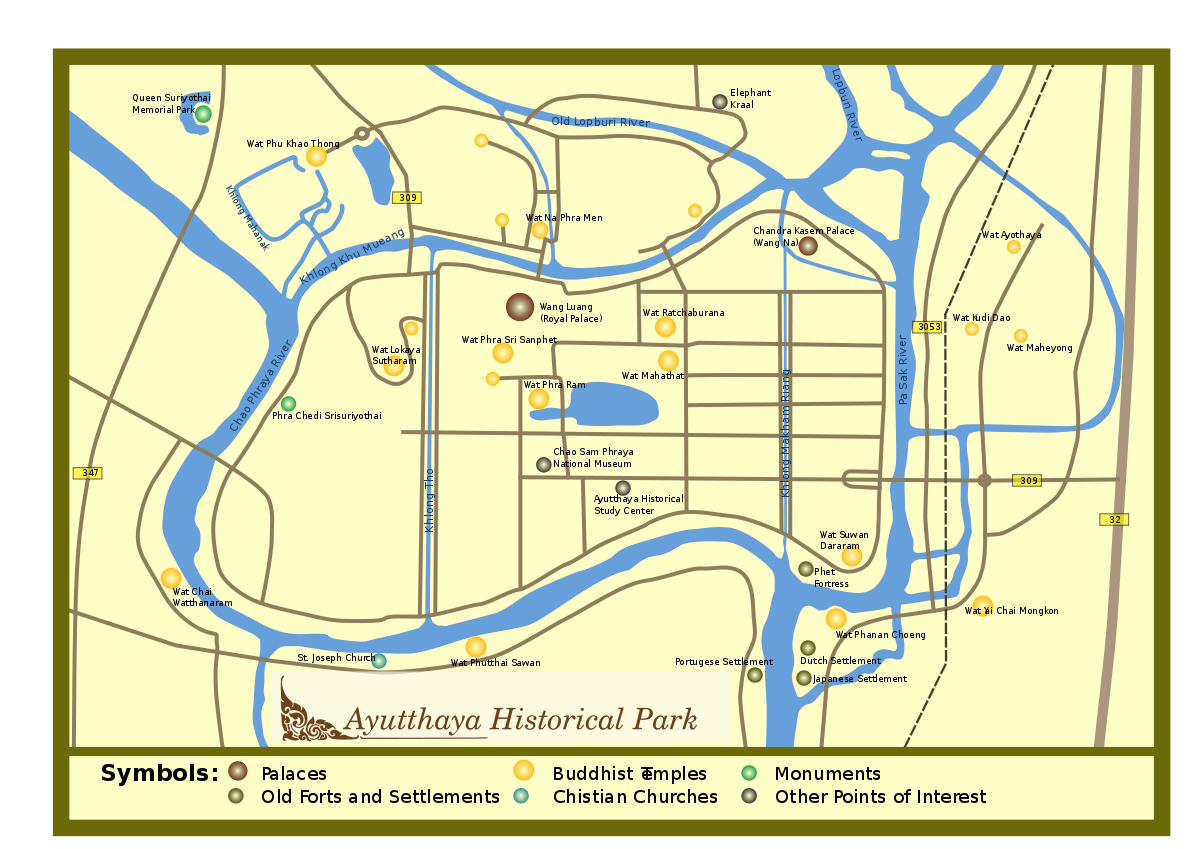
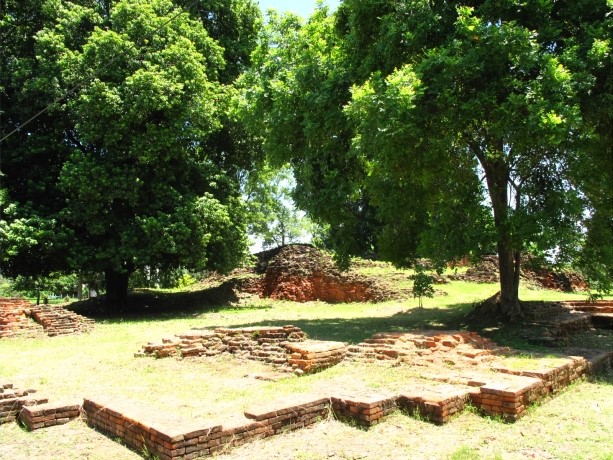
Ayutthaya is a small island town situated at the confluence of three rivers: the Chao Phraya, the Lopburi, and the Pa Sak. The ring road U Thong Rd circles the island completely, making it easy to navigate. Most temple ruins can be found at the northwest corner, while accommodation and nightlife are clustered around the northeast corner. The remains of foreign communities can be found off of the island.
WalkingMany of Ayutthaya's attractions are within walking distance of each other, particularly in the central historic area. However, for temples further away, you may want to consider renting a bike or tuk-tuk.
BicycleAyutthaya is a bicycle-friendly city with flat terrain and well-marked cycling paths. Renting a bicycle is a fantastic way to explore the ruins and local neighborhoods. Bicycles can be rented for around 50-100 baht per day.
Tuk-TukTuk-tuks are a fun and iconic mode of transportation in Ayutthaya. Negotiate prices with the driver before starting your journey if you are not using an App. Tuk-tuks can be hired for around 200 baht per hour.
Boat ToursFor a serene change of pace, hop aboard a boat and let the gentle waters of the Chao Phraya River carry you away. Boat trips can be booked from various piers around the city.
MotorbikeIf you're comfortable riding a motorbike, renting one can provide more independence and flexibility in your explorations. Motorbikes can be rented for around 150-300 baht per day.
Guided ToursJoining a guided tour can simplify transportation logistics and provide insightful commentary about the city's history and attractions.
Handicraft
Ayutthaya is a treasure trove of traditional Thai handicrafts. These handicrafts are a testament to the rich culture and heritage of the province. Visitors to Ayutthaya can purchase these handicrafts as souvenirs or simply admire their beauty.
Aranyik KnivesThe villages of Ban Ton Pho and Ban Phai Nong in Tambon Tha Chang, Amphoe Nakhon Luang are known as the centers of Thailand's knife-making industry. Aranyik Knives are known for their high quality and durability.
Bamboo FansBamboo fan weaving in Ban Phraek District, Phra Nakhon Si Ayutthaya, has been inherited from the olden days. The fans are woven with intricate designs and borders, and are a popular souvenir for tourists.
Palm Leaf Fish MobileThe palm leaf fish mobile is a traditional Thai handicraft that is made from the leaves of various palm trees. It is believed that the first fish mobiles were woven by Thai Muslim spice traders who sailed their houseboats along the Chao Phraya River. The fish mobile is often hung above a baby's cradle and is believed to bring good luck and prosperity.
Palm Leaf HatPalm leaf hat weaving is a traditional handicraft that has been inherited in Ayutthaya since ancient times. The hats are woven from the leaves of the palm tree and are known for their durability and comfort. Palm leaf hats are a popular souvenir for tourists and are also used by locals for everyday wear.
Ayutthaya local gastronomy
Ayutthaya's rich history as a trade center and the capital city is reflected in its cuisine, which has been influenced by a range of cultures, including Chinese, Portuguese, Japanese, Indian, and Muslim. From street food to fine dining, visitors can savor a unique blend of flavors and spices that have been passed down for generations. When exploring Ayutthaya, prepare your taste buds for a delightful journey through Ayutthaya’s local cuisine, from bustling street markets to quaint eateries, the city’s culinary offerings are a feast for the senses. Some of the most popular dishes include:
Boat noodlesAyutthaya is known for its delicious boat noodles, originally cooked on a boat. This Thai-style noodle dish usually contains pork or beef, served in a soup mixed with pork/cow blood, salt, and various spices.
Khao soiThis Thai noodles soup is made with curry broth, chicken or beef, and egg noodles.
Roti sai maiThis sweet sticky rice pancake is rolled up and filled with coconut milk and shredded coconut.
Khanom buang: These crispy crepe cups are filled with a variety of sweet or savory fillings, such as shrimp, chicken, or vegetables.
Guay tiew khuaThis stir-fried flat noodle dish is made with chicken, beef, or seafood, and vegetables.
Nam prik ongThis chili paste is made with shrimp, tomatoes, and garlic. It is typically served with fresh vegetables and rice.
Ayutthaya is also famous for its river prawns.
Key tourist attractions and activities in Ayutthaya
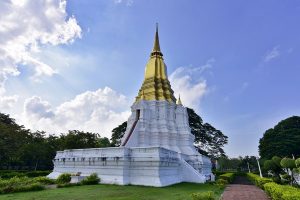
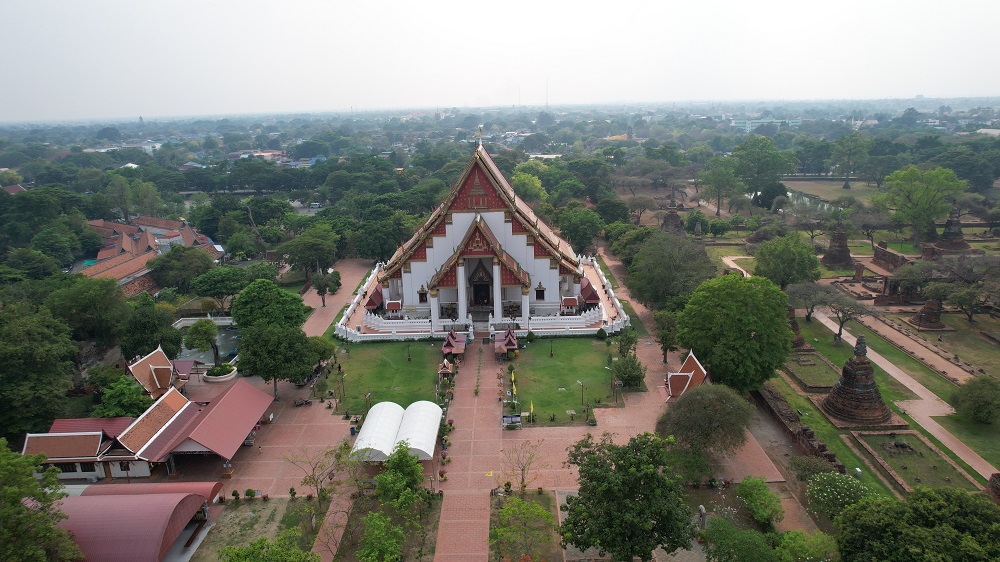
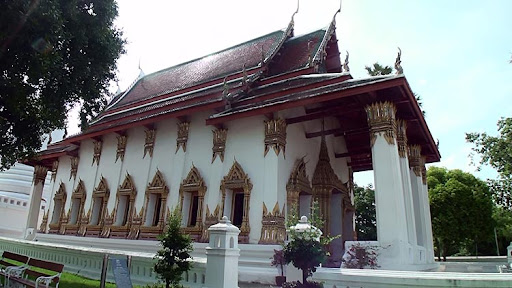
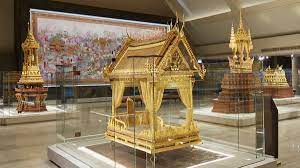
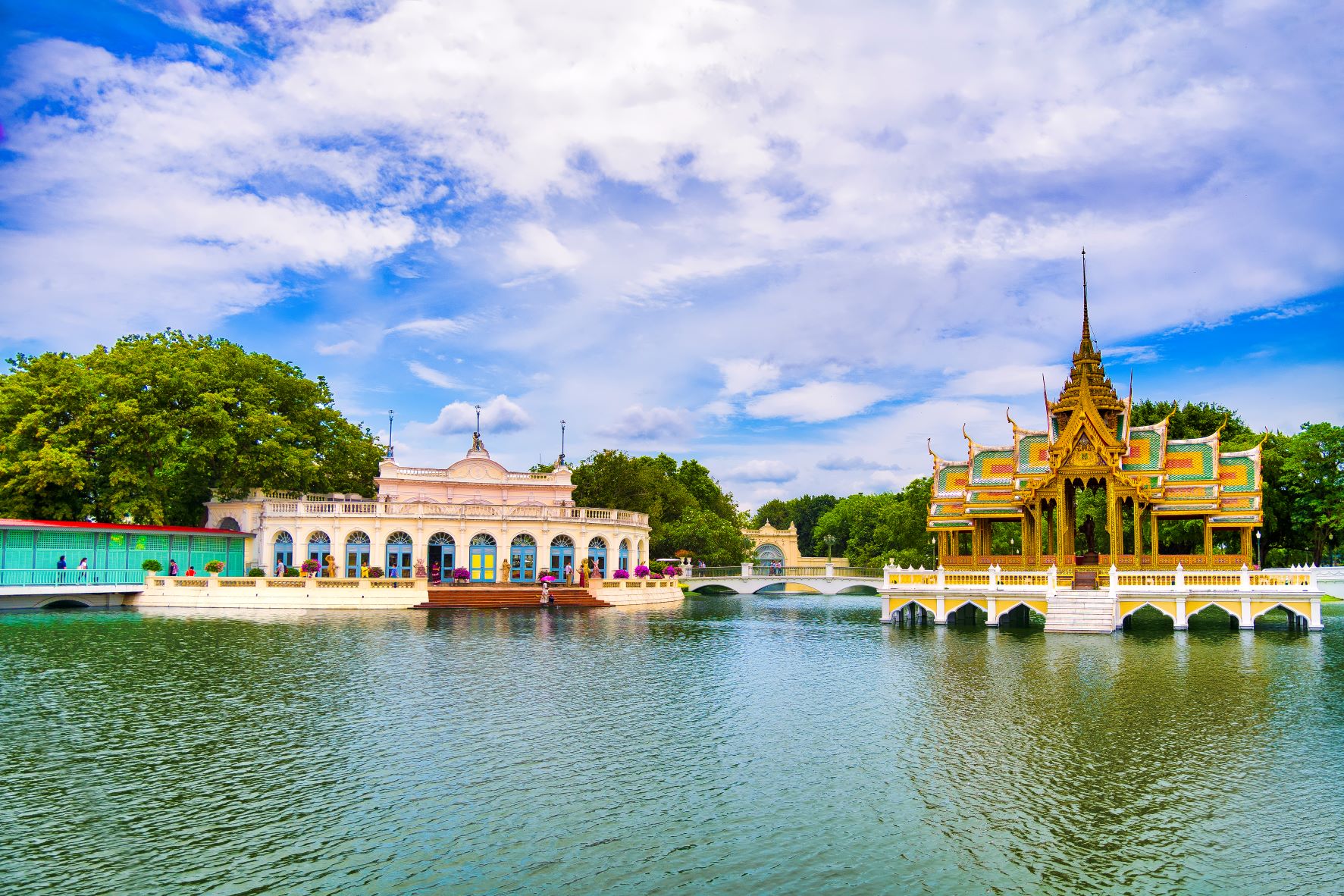
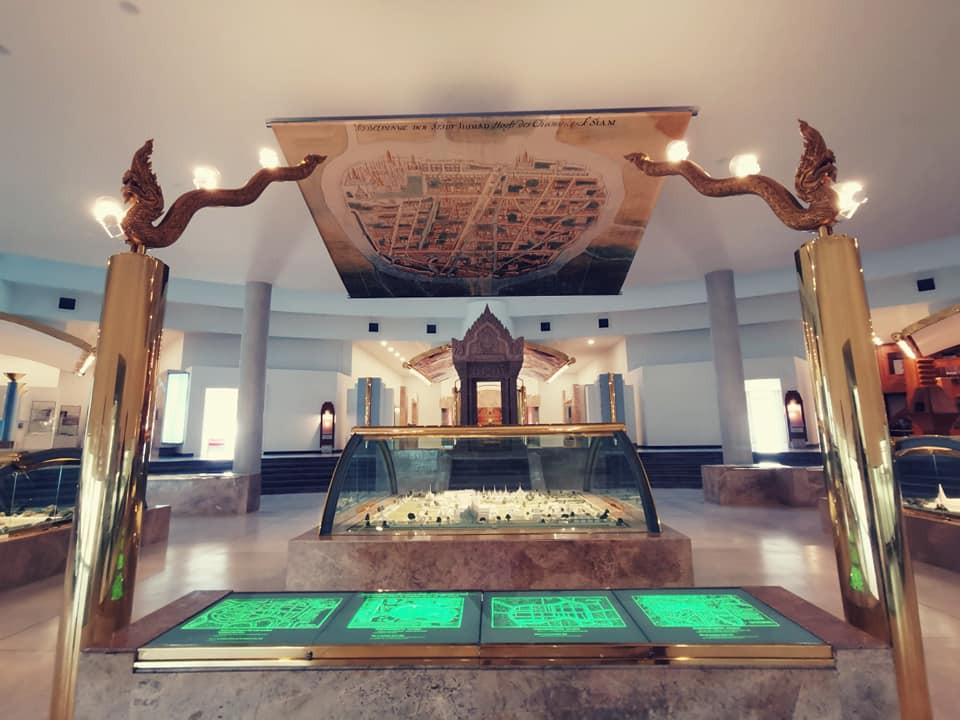
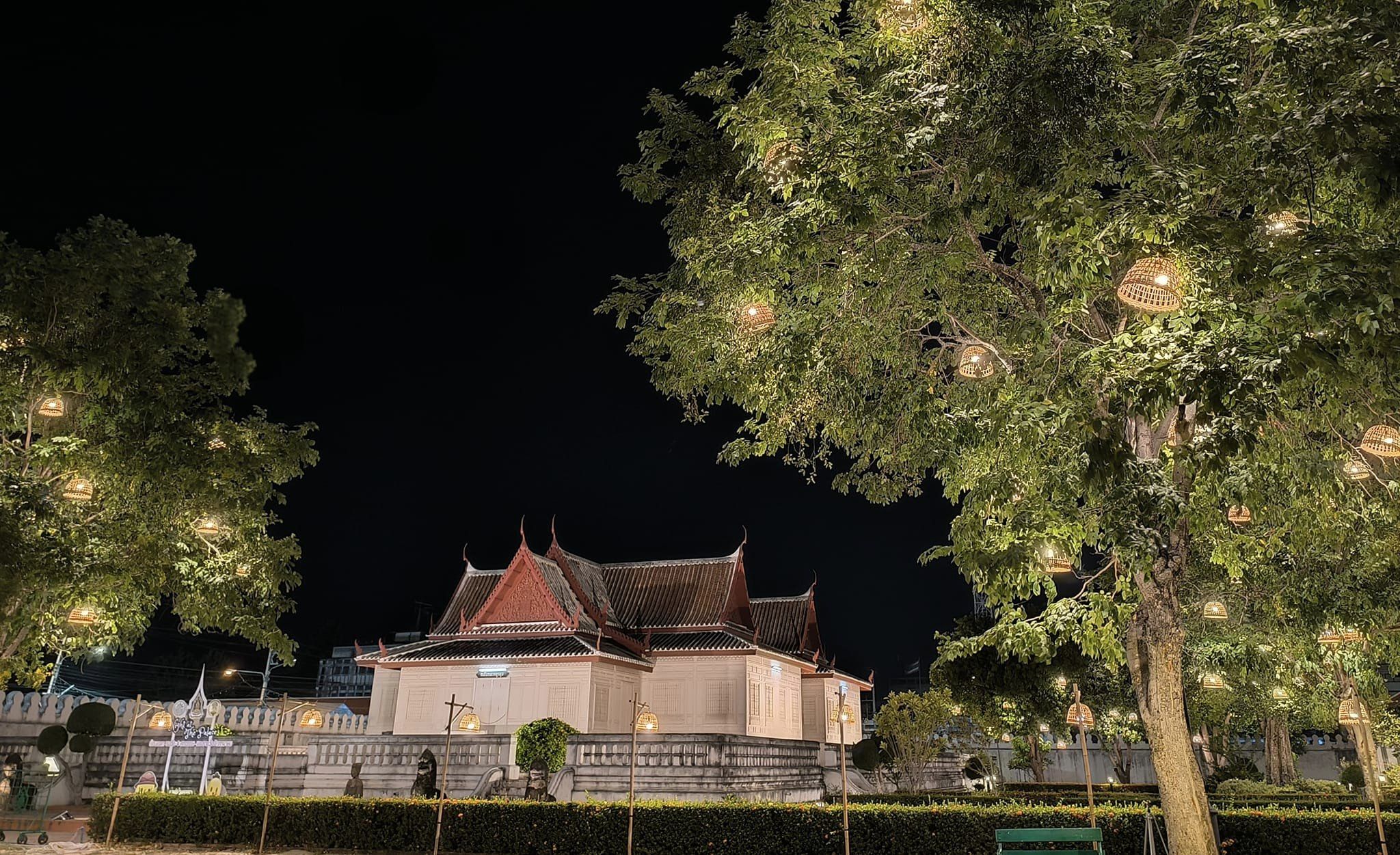
Ayutthaya, with its well-preserved ruins from the 14th-18th centuries, offers a captivating journey through Thailand's cultural history. Recognized as a UNESCO World Heritage Site since 1991, the Ayutthaya Historical City boasts temples and palaces that transport visitors to ancient times.
Ayutthaya's tourism industry has embraced digital advancements, allowing travelers to research and book accommodations, dining, and tours online. The city's attractions have also introduced digital services like mobile apps and QR code panels, enhancing visitor experiences and reducing wait times. While significant progress has been made, there is still room for improvement, especially in enhancing digital connectivity and providing more personalized and interactive experiences for tourists.
ATTRACTIONS
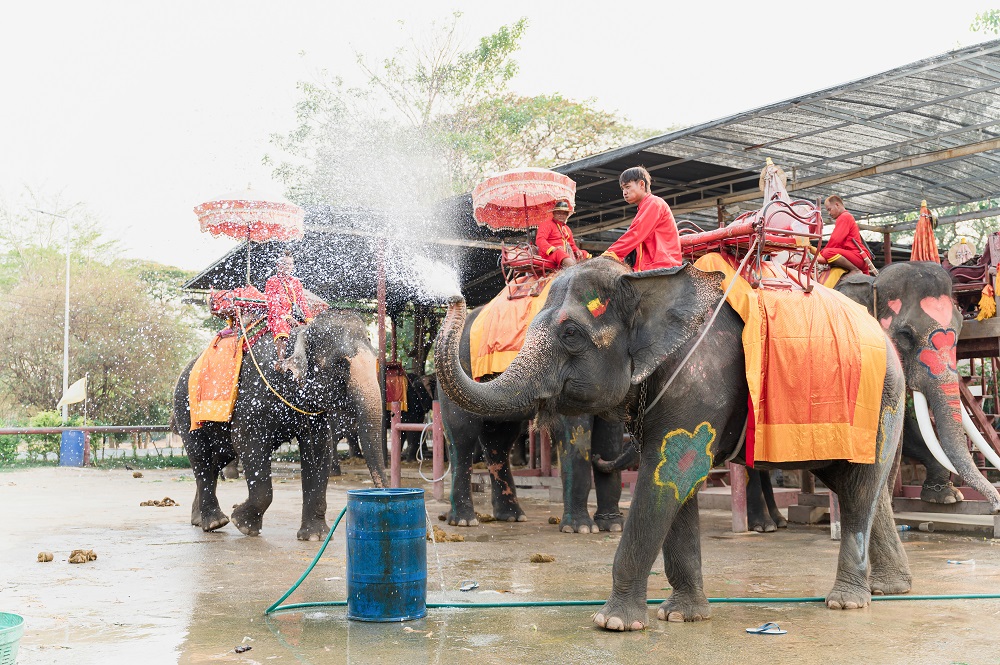
Ayutthaya Elephant Palace & Royal Kraal
Built Heritage
Photo Credit: ‘Tourism Authority of Thailand’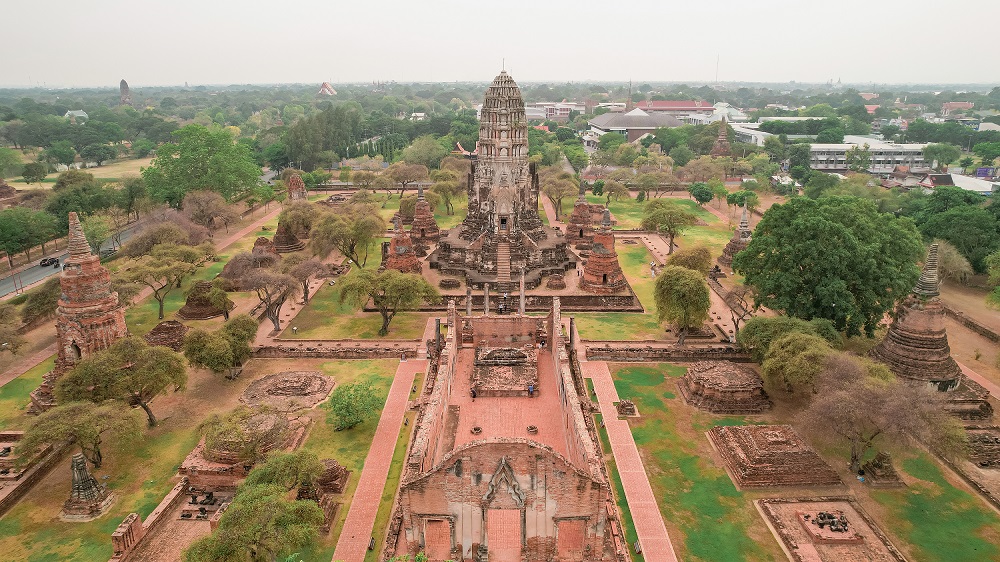
STAY
Ayutthaya provides a wide array of cost-effective and cozy lodging choices, accommodating various budgets and traveler preferences. You can find the most budget-friendly rates during the off-peak season (May - Aug), whereas the cool season (Dec - Feb) typically comes with higher price tags. Whether you're inclined towards a homestay immersed in local culture, a guesthouse nestled in a backpacker- friendly neighborhood, or a luxurious five-star spa resort, Ayutthaya offers accommodation options for every type of traveler.


