

About the City
Siem Reap: The gateway to Angkor Wat and beyond
Siem Reap, meaning "Siam Defeated," is a city steeped in heritage, culture, and history, serving as the gateway to Cambodia's ancient wonders. Once the heart of the mighty Khmer Empire, Siem Reap is adorned with remnants of its glorious past, notably the awe-inspiring Angkor Wat, an architectural marvel representing the pinnacle of Khmer artistry and spirituality, now recognized as a UNESCO World Heritage Site.
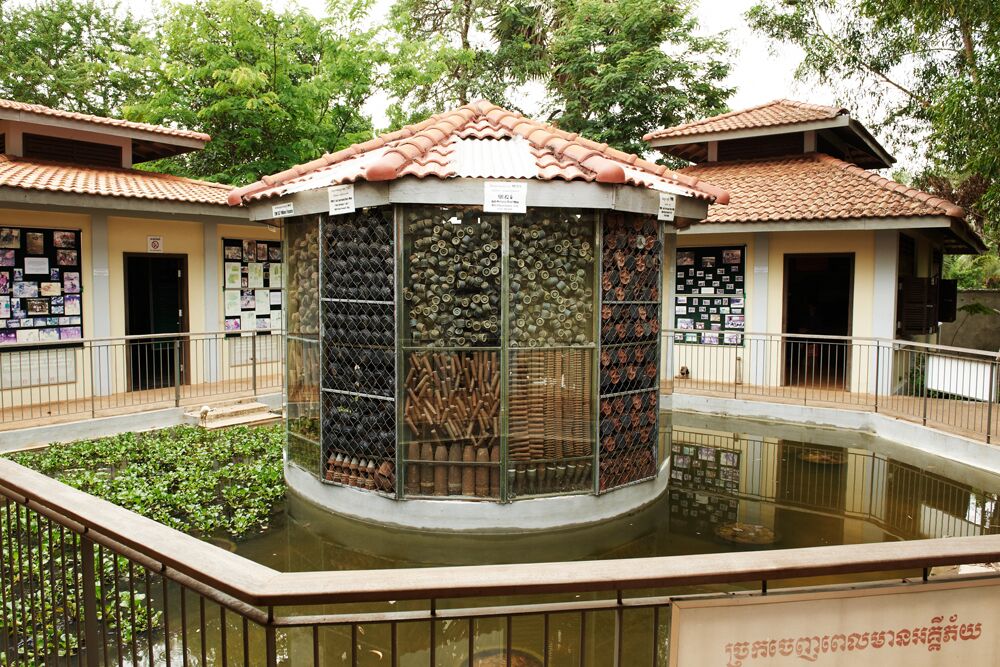
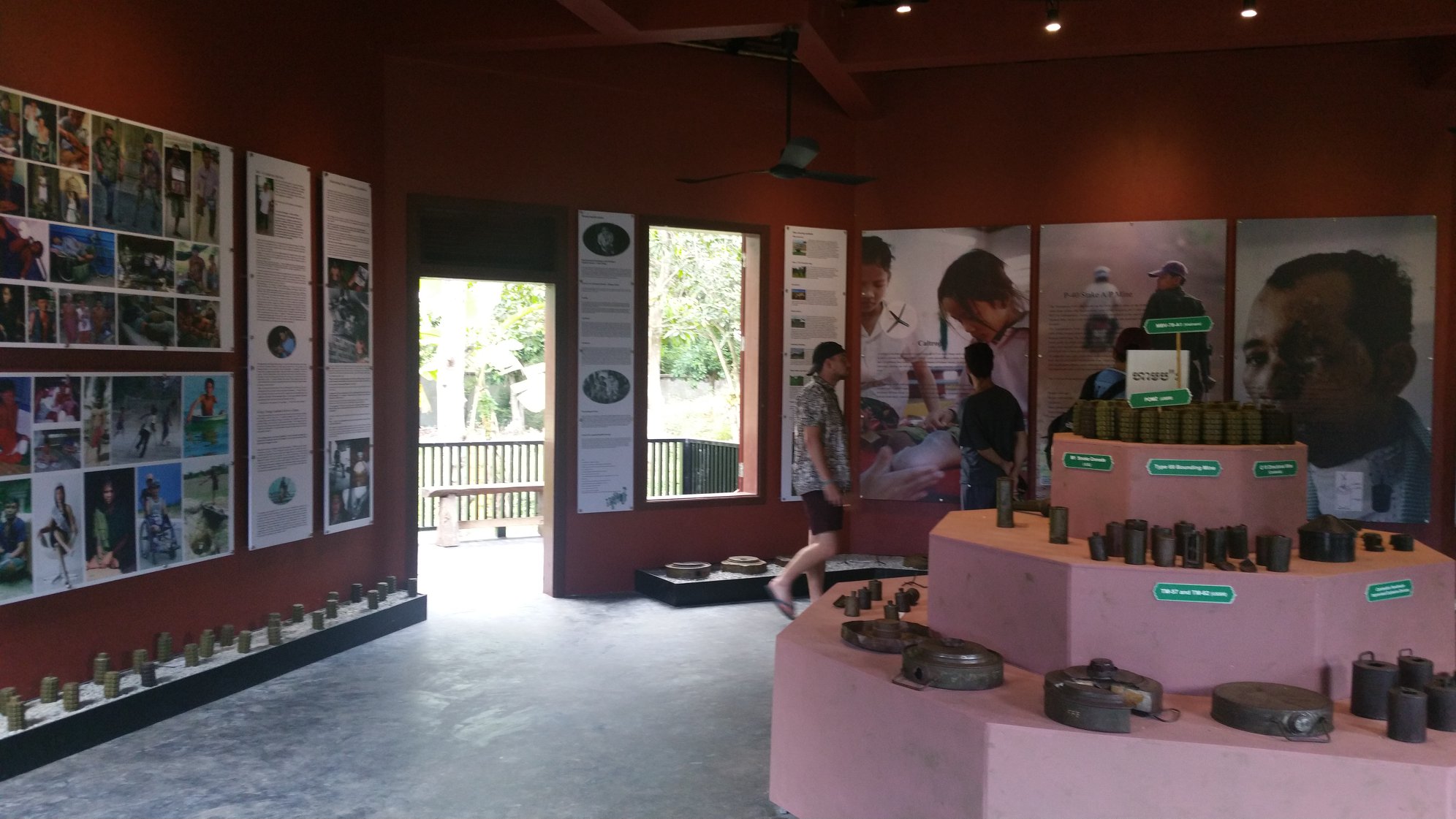
Beyond the temples, Siem Reap offers a glimpse into Cambodia's rich heritage through museums like the Angkor National Museum, displaying artifacts from the ancient Angkor temples, and the Cambodian Landmine Museum and Relief Center, highlighting the nation's resilience in the face of adversity.
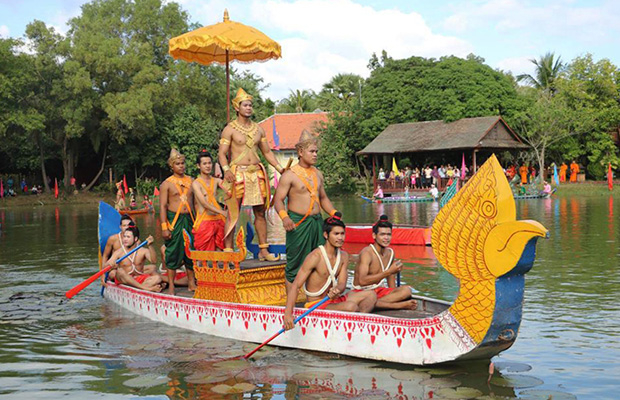
The city's vibrant culture is reflected in its bustling markets, traditional dance performances, and authentic Khmer cuisine. Tourists can delve into the local way of life, exploring charming villages, witnessing artisans at work, and partaking in cultural festivals that celebrate Cambodia's unique traditions.
Despite its modern tourism appeal, Siem Reap has managed to preserve its cultural integrity, making it a haven for heritage enthusiasts seeking a profound connection with Cambodia's storied past and living traditions.
Time zone:
Indochina Time (GMT+7)
Language:
Khmer is the national language of Cambodia, but English is widely spoken in major tourist areas and among the younger generation.
Phone and Internet
Overall, phone and internet services in Cambodia are good and should be sufficient for most travelers. However, it is important to be aware of the potential for spotty coverage in rural areas and to purchase a data plan if you plan on doing a lot of online work.
Money and payment system
The US dollar is the most commonly used currency in Siem Reap, and is widely accepted at ATMs, hotels, restaurants, and shops. However, it is a good idea to exchange some US dollars for Cambodian riel, the local currency, for smaller transactions. Cambodian riel can be exchanged at banks and exchange offices throughout the city.
Major credit cards, such as Visa and Mastercard, are accepted at many establishments in Siem Reap, but smaller establishments may not accept credit cards, and some may charge a fee for their use.
Mobile payment systems, such as Wing and Pi Pay, are becoming increasingly popular in Cambodia, and can be used to transfer money, pay bills, and make purchases. Travelers can download these apps onto their smartphone and link them to a bank account or credit card to make payments.
Cash is still widely used in Siem Reap, especially for smaller transactions. Travelers should be aware that some ATMs may charge a fee for withdrawals, and that it is important to check the exchange rate before exchanging currency.
Weather
Siem Reap has a hot and humid climate with two distinct seasons - dry season (November to April) and wet season (May to October). The dry season is the most popular time to visit as temperatures are cooler and there is little to no rainfall. Average temperatures during this time range from the mid-20s to mid-30s Celsius. However, if you don't mind the heat, you can visit Siem Reap any time of the year.
Suggested duration of stay
If you are only interested in visiting Angkor Archeological Park, you can probably get away with a 2-3 day trip. However, if you want to explore the rich natural and cultural diversity of Siem Reap Province and the country, you will need to allow more time. No matter how long you choose to stay in Cambodia, you are sure to have a memorable experience. The country is home to a rich culture, stunning natural scenery, and friendly people.
How to get there
The majority of visitors to Siem Reap arrive by air from Phnom Penh and Bangkok. There are also regular flights from Singapore, Ho Chi Minh City and Vientiane. Visas are available on arrival at the Siem Reap and Phnom Penh airports. From Phnom Penh, there are also daily boats and buses/vans going to Siem Reap. Some visitors make their way to Siem Reap overland from Thailand via the Aranyaprathet/Poipet border crossing.
By Air: The new Siem Reap-Angkor International Airport (SAI) opened on 16 October 2023 and is Cambodia's largest airport. Located 50km from the town, it serves international flights from Bangkok, Kuala Lumpur, Singapore, Laos, and Vietnam. Flights to Seoul, Kunming, and Shanghai are planned for early 2024. Travel to and from the new airport takes longer and costs more than the old airport, which has closed. Minibus seats cost US$8, while private minivan transfers are priced at US$40.
By Buses or Vans: There are many Bus companies like Giant Ibis, Mekong Express, PSD Xpress, Sorya Bus, Neak Krohorm, Thero Express (15-seat), Larryta, KSO, Virak Buntham, Kampot Express, Cambodia Post VIP Van offering bus/van services to Siem Reap town using modern air-conditioned buses/vans. Buses/vans depart every 15 minutes to one hour, daily from 6am-12pm mid night. The prices are reasonable. Online Bus ticket can be purchased in advance.
By Share/Private Taxis:
Local share taxi depart from southwest corner of Central Market in Phnom Penh for 25,000 riel per person (5-8 hours). A private taxi costs you US$38-$45 for the whole car. 5-6 hours. (Due to rising fuel costs, prices are in flux.). Private taxi is also available in Siem Reap, and you can check with any travel agents or hotels to arrange for you. Now very easy, you can book a private taxi before your arrival through online.
How to get around
There are several ways to get around the city Here are some of the main local transportation available in Siem Reap.
Tuk-tuk and Remork: Tuk-tuks are a popular and inexpensive way to get around Siem Reap. Remork is a larger version of a tuk-tuk that can carry more passengers. They are also commonly used as shared taxis in Siem Reap, and they can be a convenient and affordable way to get around the city. Look for Remorks at major transport hubs or on the street.
Bicycle
Renting a bicycle is a great way to explore Siem Reap at your own pace. Many guesthouses and hotels offer bicycle rentals, or you can rent one from a local shop. Most attractions in Siem Reap are located within a few kilometers of each other, so cycling is a convenient and eco-friendly way to get around.
Motorbike:
Renting a motorbike is another popular option for getting around Siem Reap. However, it's important to note that the traffic in Siem Reap can be chaotic, so driving a motorbike can be challenging for inexperienced riders.
Private car or taxi:
If you prefer a more comfortable and private mode of transportation, you can hire a private car or taxi. Most hotels and guesthouses can arrange a taxi or car for you, or you can hail one on the street. However, this is the most expensive option for getting around Siem Reap.
Handicraft
Siem Reap, Cambodia is known for its stunning temples and rich culture, but it is also a hub for traditional handicraft. The city is home to a variety of skilled artisans who produce a wide range of handcrafted products, including textiles, woodwork, stone carvings, and lacquerware.
- One of the most popular handicrafts in Siem Reap is silk weaving. Silk weaving has been a tradition in Cambodia for centuries, and the city is home to a number of silk weaving villages. Visitors can watch the entire silk weaving process, from the harvesting of the silk cocoons to the weaving of the finished product. Silk products from Siem Reap are known for their high quality and intricate designs.
- Another popular handicraft in Siem Reap is woodwork. Cambodian woodworkers are skilled in a variety of techniques, including carving, turning, and joinery. They produce a wide range of wooden products, including furniture, sculptures, and home decor items. Wood products from Siem Reap are known for their durability and beauty.
- Stone carving is another traditional handicraft in Siem Reap. Cambodian stone carvers are skilled in carving a variety of materials, including sandstone, limestone, and marble. They produce a wide range of stone products, including statues, fountains, and reliefs. Stone carvings from Siem Reap are known for their intricate craftsmanship and artistry.
- Lacquerware is another popular handicraft in Siem Reap. Lacquerware is made by applying multiple layers of lacquer to a base object, such as wood or bamboo. The lacquer is then dried and polished to create a smooth, glossy finish. Lacquerware from Siem Reap is known for its durability and intricate designs.
In addition to these traditional handicrafts, Siem Reap is also home to a number of artisans who produce more modern and contemporary handicrafts. For example, some artisans produce jewelry, clothing, and accessories made from recycled materials. Other artisans produce handicrafts that incorporate traditional Khmer designs with modern elements.
Handicrafts from Siem Reap are a great way to support local artisans and bring home a unique souvenir from your trip. Be sure to check out some of the local handicraft shops and markets during your visit.
local gastronomy
Siem Reap, Cambodia is a city with a rich and diverse culinary scene, offering a variety of local specialties that reflect the city's Khmer heritage and French colonial influence. Here are some of the must-try local dishes in Siem Reap:
- Fish Amok: This signature Cambodian dish is made with fresh fish, coconut milk, and a variety of spices, steamed in banana leaves to create a delicate and flavorful curry.
- Lok Lak: This popular stir-fried beef dish is typically served with a black pepper sauce and rice, and is a great option for those looking for something hearty and savory.
- Khmer Curry: Khmer curries are made with a variety of meats and vegetables, and are typically served with rice. The red curry is the most popular, but there are also green, yellow, and black curries available.
- Bai Sach Chrouk: This simple but delicious dish consists of grilled pork served over broken rice with a dipping sauce made from pickled garlic, lime juice, and black pepper. It is a popular breakfast or lunch option among locals.
- Nom Banh Chok: This fermented rice noodle soup is typically served with fish sauce, lime juice, palm sugar, and a variety of herbs and vegetables. It is a refreshing and healthy dish that is perfect for a hot day.
- Khmer Khao Soi: This noodle soup is a unique variation of the popular northern Thai dish. It is made with a clear broth, minced meat, and a variety of herbs and spices. Unlike the Thai version, which is typically served with egg noodles, Khmer Khao Soi is served with rice noodles.
In addition to these local specialties, Siem Reap also offers a variety of street food stalls and restaurants serving international cuisine. Whether you are looking for a traditional Khmer meal or something more familiar, you are sure to find something to your taste in Siem Reap.
Entertainment and nightlife
Pub Street (Located 4.1 km from the city center) is a popular destination in the center of Siem Reap, Cambodia, known for its lively nightlife scene. The street is lined with a diverse range of restaurants, bars, and nightclubs that cater to both locals and tourists. The area is particularly popular in the evenings, when the bars and clubs come alive with live music and dancing. The atmosphere is vibrant and bustling, and visitors can enjoy a wide range of food and drink options, from traditional Khmer cuisine to international dishes. Pub Street is a great place to experience the local culture and socialize with other travelers while enjoying the nightlife of Siem Reap.
In addition to the bars and pubs, Pub Street is also home to a number of restaurants. The restaurants offer a variety of cuisines, including Cambodian, Thai, and Western food.
ATTRACTIONS


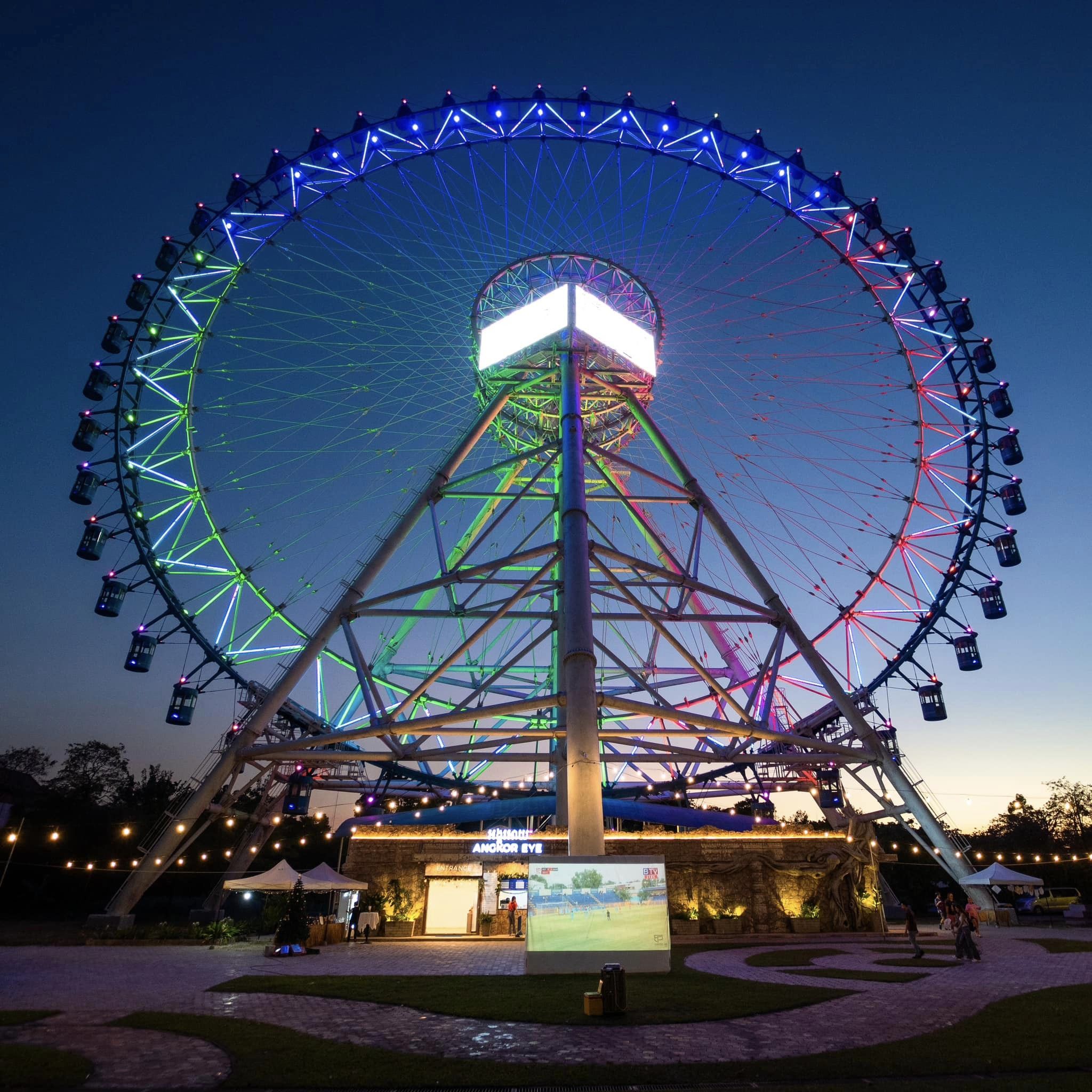



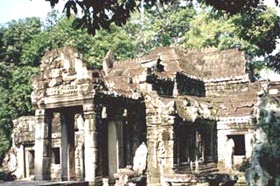
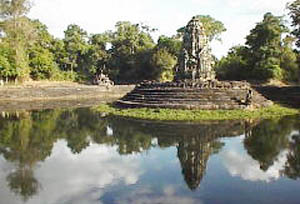

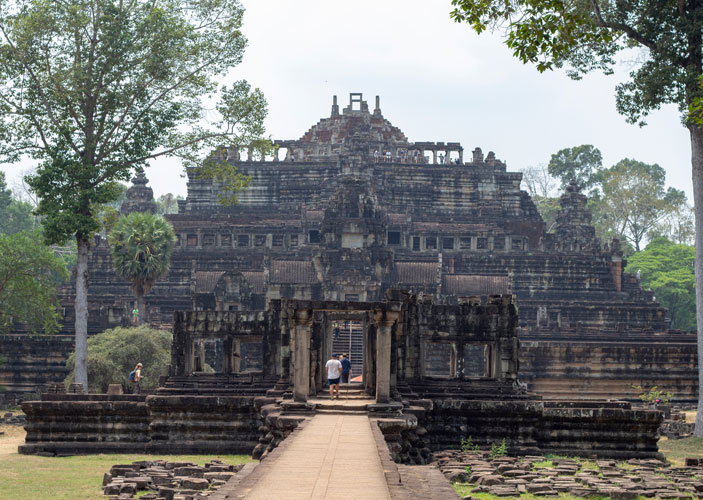
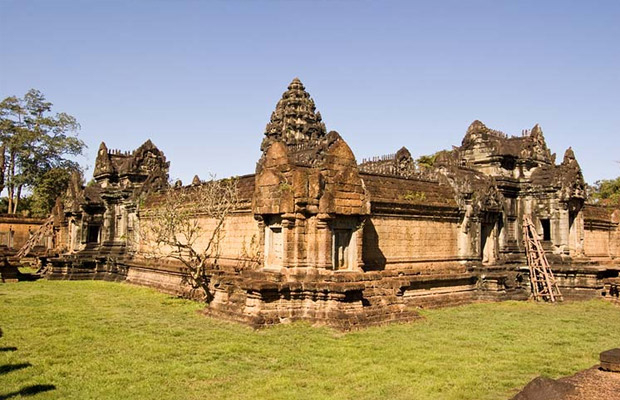
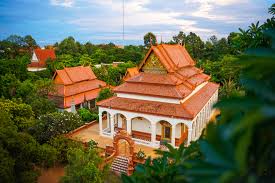
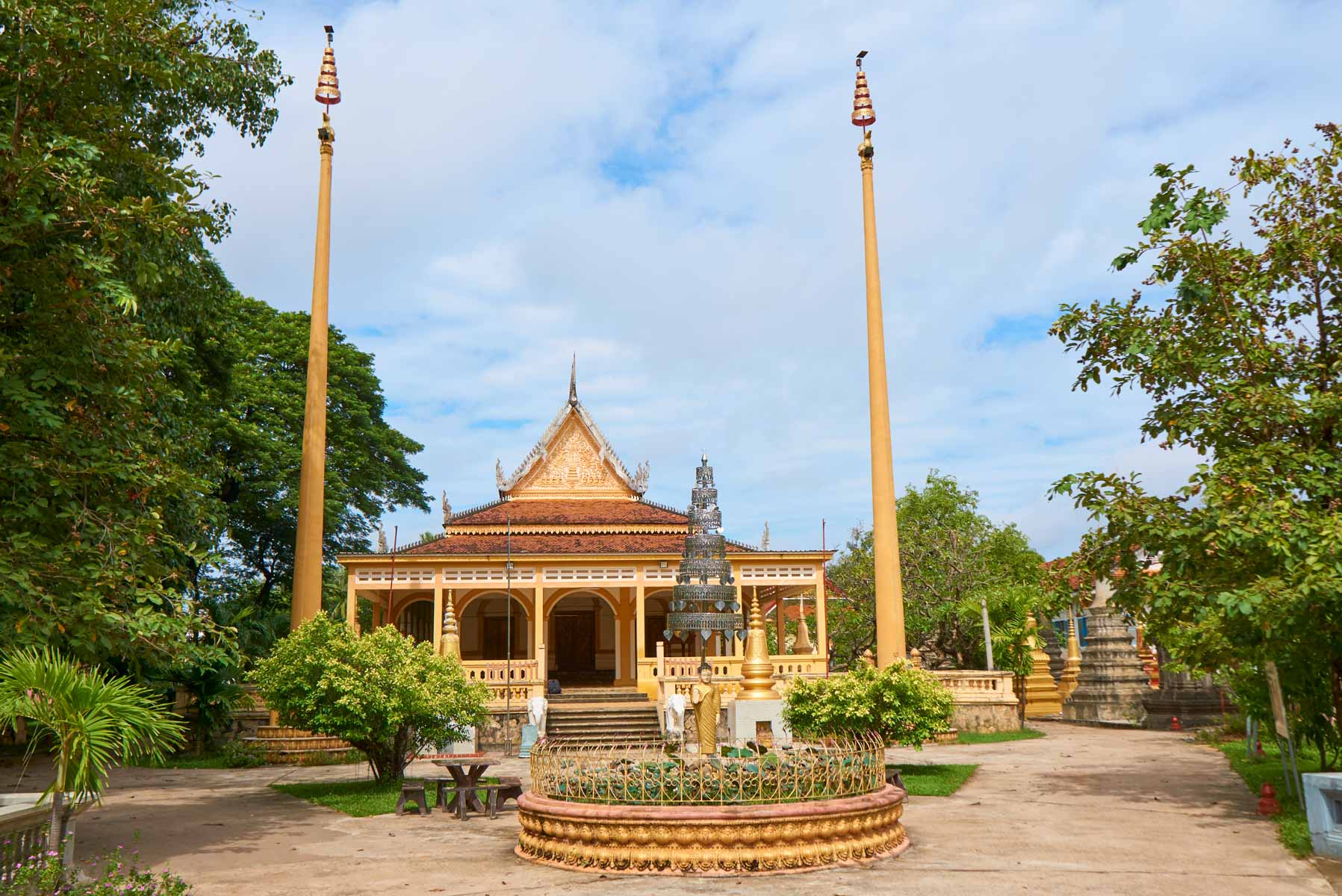
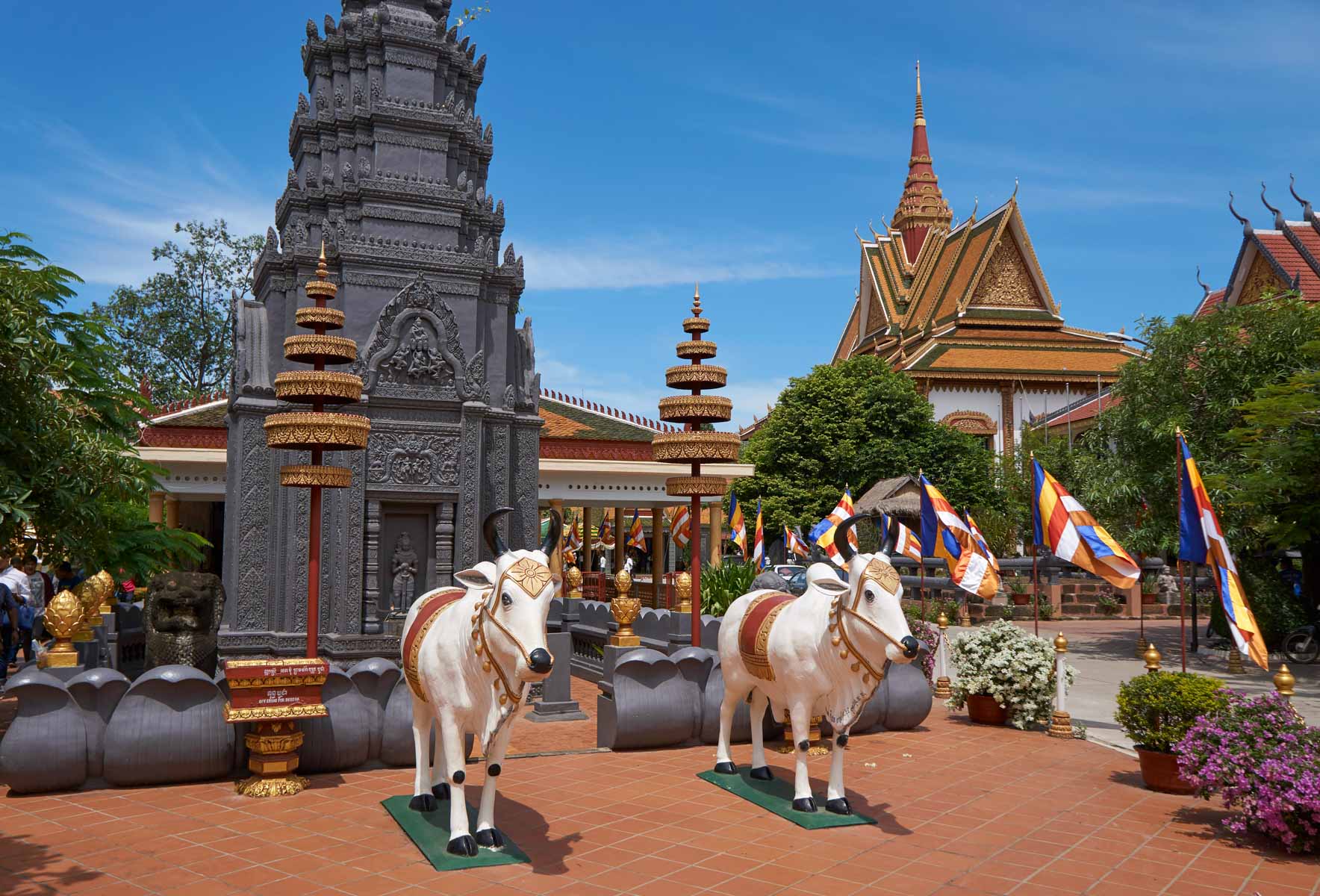
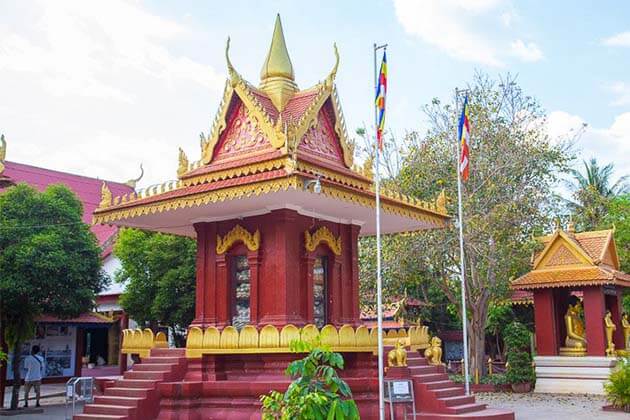
Wat Thmei Temple & Stupa Memorial to the Killing Fields
Temples/ Pagodas
Photo Credit: ‘Tourism Authority of Thailand’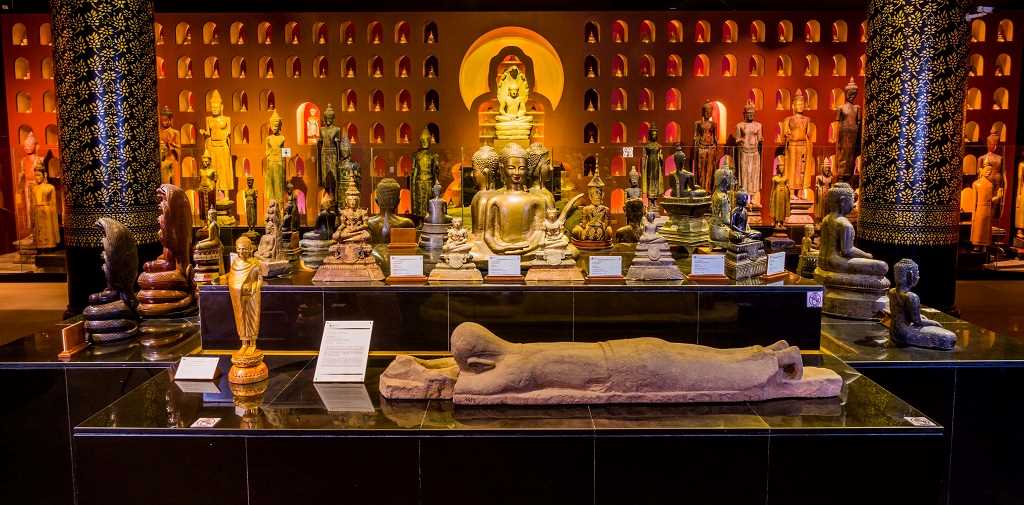



STAY
In Siem Reap, there is a diverse range of accommodation options catering to various budgets and preferences. These include hotels, resorts, villas, and hostels, providing choices from budget to luxury. Travelers can also opt for homestay programs in rural communities, offering an authentic experience with local families, traditional Khmer housing, and cultural activities. Airbnb provides unique options like private rooms, apartments, and houses, although travelers should research and read reviews to ensure their chosen property meets their expectations, as regulations can vary compared to traditional hotels.


