

About the City
Luang Prabang: A city where time stands still
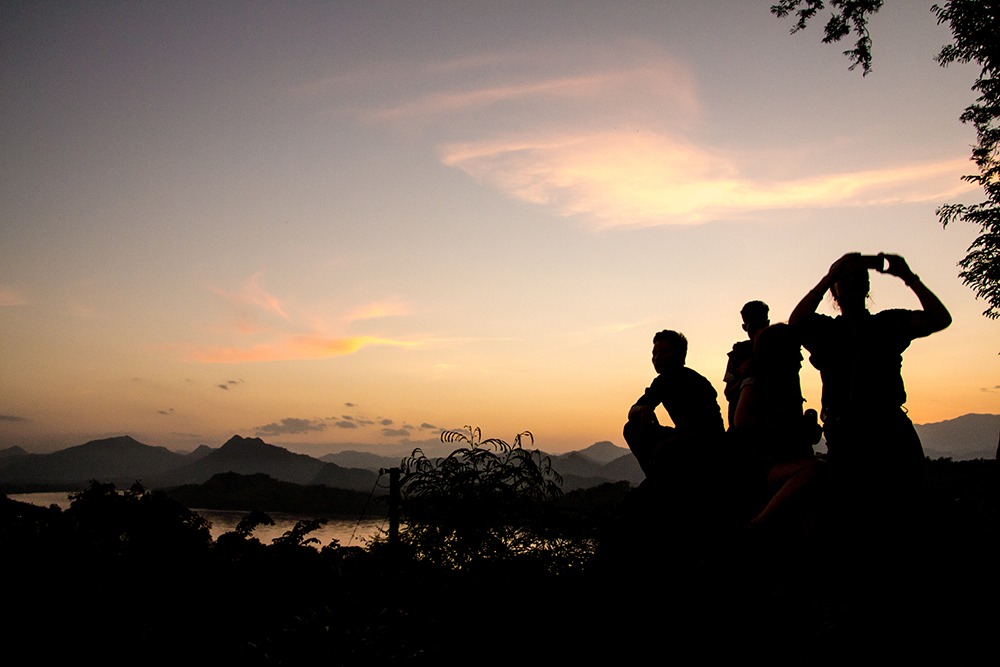
Luang Prabang, a UNESCO World Heritage Site nestled at the confluence of the Mekong and Khan rivers, is a city of profound historical and cultural significance in Laos. This picturesque town, once the capital of the Lan Xang Kingdom, boasts a history spanning over a thousand years. Its charm lies in the harmonious fusion of traditional Lao architecture and 19th and 20th-century European colonial buildings, creating a unique townscape against the backdrop of verdant mountains.
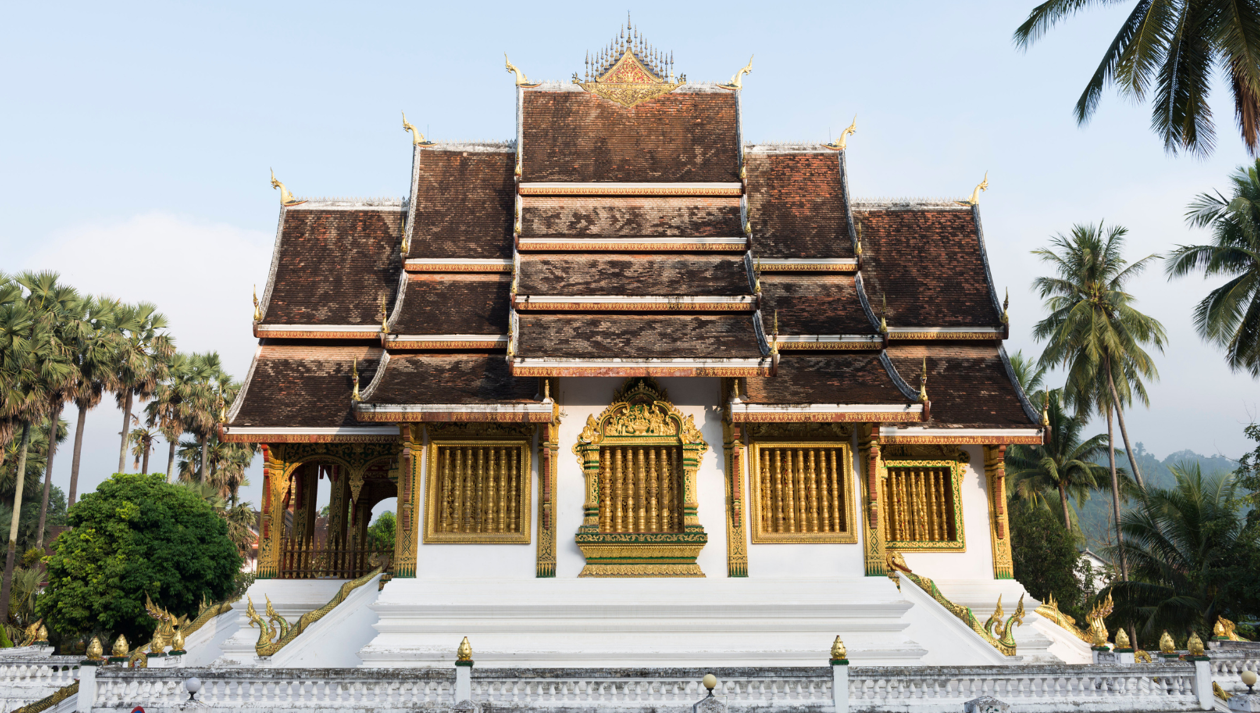
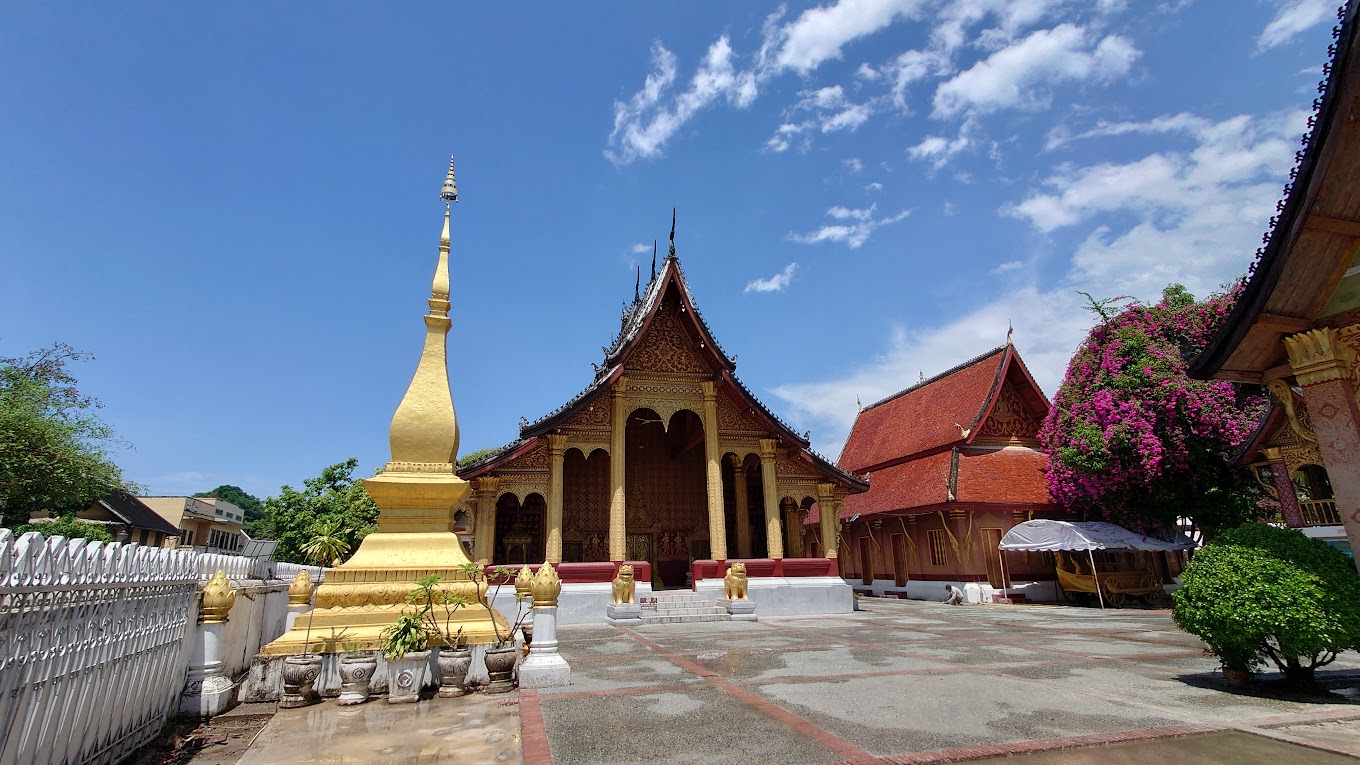
The city's well-preserved architectural heritage showcases a captivating blend of Lao, French, and other Southeast Asian styles. Golden-roofed wats, adorned with intricate mosaics and murals depicting the life of Buddha, stand alongside colonial villas, their wrap-around teak balconies reminiscent of a bygone era. Luang Prabang is also a hub of Theravada Buddhism, housing numerous temples and monasteries, including the revered Phra Bang Buddha, a symbol of spiritual significance in Laos.
Luang Prabang's trajectory through history reflects its resilience. Following the decline of the Lao kingdom, it became a militarily weak city-state, ultimately seeking French protection in the late 19th century. The city's architectural landscape flourished during this period, and despite the challenges of the 20th century, it managed to retain its historical charm. In recent decades, careful restoration efforts have transformed crumbling timber houses and colonial mansions into exquisite guesthouses, preserving the city's architectural legacy.
While facing pressures from tourism and urban development, Luang Prabang remains a testament to cultural preservation. Stringent regulations and the establishment of the Luang Prabang World Heritage Department safeguard its Outstanding Universal Value. Today, visitors to this enchanting city can explore its winding streets, adorned with temples and traditional Lao wooden houses, immersing themselves in the timeless allure of Luang Prabang's rich heritage.
Time zone
Indochina Time (GMT+7)
Language
Lao language, also called Laotian, one of the Tai languages of Southeast Asia, and the official language of Laos.
Phone and Internet
Phone and internet access in Luang Prabang are good and improving. Visitors can purchase a local SIM card from one of the three mobile operators in Laos and enjoy fast mobile data speeds. Free Wi-Fi is widely available in hotels, cafes, and restaurants, and public Wi-Fi hotspots are also available throughout the city. However, it is important to be careful about using public Wi-Fi hotspots as they may be unsecured. Luang Prabang province has embarked on an e-government and smart city initiative, which will be implemented from 2021 to 2025. The primary objective is to enhance the quality of life for individuals and businesses by leveraging IT applications and public communication channels to promptly and efficiently address concerns that affect the community and businesses. The aim is to facilitate timely and effective resolutions, improving the overall efficiency and effectiveness of public services.
Money and payment system
The official currency of Laos is the Lao kip (LAK), but US dollars and Thai baht are also widely accepted. There are several ATMs in Luang Prabang, most of which accept international debit and credit cards. It is still advisable to carry cash, as some vendors may not accept credit cards. ATMs in Luang Prabang primarily dispense Lao kip, with a maximum withdrawal limit of 1,000,000 to 2,000,000 kip and a charge of 20,000 to 40,000 kip. Multiple daily withdrawals, up to 5,000,000 kip, are allowed. There are money changers in Luang Prabang, but visitors are cautioned about potential scams involving inflated USD cash advance charges and non-cancelable transactions. Secure currency exchange services are available at official banks. ATM withdrawal fees are typically lower than those charged by money changers. Cash remains the preferred payment method in Luang Prabang, so you can save money by avoiding credit card fees.
Tourist Information Center: https://www.tourismluangprabang.org/travel-guide/tourist-information-center/
Weather
Laos experiences a tropical monsoon climate, characterized by distinct wet and dry seasons. The best time to visit Laos is during the dry season, from November to February, when the weather is relatively cool and dry, making it ideal for outdoor activities and sightseeing. March to May marks the hot season, with high temperatures and occasional showers. The rainy season, from June to October, brings heavy rainfall and humidity, making travel challenging, especially in remote areas. Despite occasional showers, the wet season can also be a good time to visit for lush green landscapes and fewer crowds. Travelers planning to explore Laos should aim for the dry season to enjoy pleasant weather and make the most of their outdoor adventures.
Suggested duration of stay
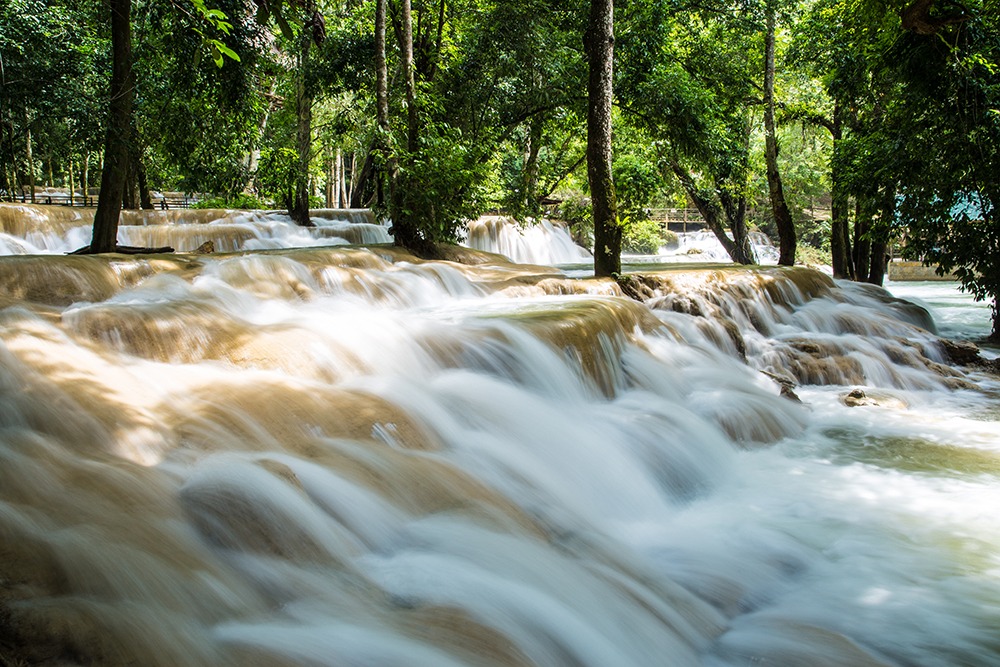
The suggested duration of stay in Luang Prabang depends on your interests and budget. If you are interested in seeing all of the main attractions, such as the temples, the Royal Palace, and the Kuang Si Falls, then you should plan to stay for at least 3 days. However, if you want to experience more of the local culture and way of life, then you should plan to stay for at least 5 days.
How to get there
Luang Prabang welcomes travelers through various modes of transportation. Whether you prefer the thrill of adventurous boat rides, the comfort of air travel, or the scenic journey by train, Luang Prabang offers multiple routes for you to explore.
By Air: If you’re arriving from international destinations like Hanoi, Vietnam, or Bangkok, Thailand, several airlines operate flights to Luang Prabang. Upon arrival, a convenient van service awaits at the airport to transport you to your accommodation. By Slow Boat along the Mekong River: For the adventurous souls seeking a unique travel experience, the slow boat journey along the Mekong River from Thailand to Laos is a popular choice. Although it takes time, the scenic beauty of the journey compensates for the duration. Multiple travel agencies and boat companies in Thailand can help you arrange this memorable slow boat adventure.
By Domestic Bus: If you're already in Laos, getting to Luang Prabang by domestic bus is a convenient option. Bus tickets are available at various bus depots throughout the country. Alternatively, most hotel reception staff can assist you in arranging bus transportation to Luang Prabang. This mode of travel offers a chance to witness the local landscapes and immerse yourself in the culture of Laos.
By Bus: Luang Prabang’s mini-bus terminal provides connections to different regions within Laos and neighboring countries like Vietnam, Thailand, and China. Travel agents in the city offer tickets for various bus routes. It's advisable to purchase tickets in advance, especially for VIP buses, which come with reserved seats. Whether you’re heading to Chiang Mai, Vientiane, Muang Xay, or other destinations, buses offer both comfortable and budget-friendly travel options.
By Train: Travelers can now reach Luang Prabang by high-speed, standard-gauge trains running daily from Vientiane via Phonhong and Vang Vieng. This convenient and comfortable mode of transport takes approximately two hours to reach Luang Prabang, making it one of the fastest ways to travel to the city. The train route also extends to Muang Xay, Luang Namtha, and Boten on the border with China.
By Car: Highway 13 connects Luang Prabang to Vang Vieng and Vientiane in the south and via Highway 1 to the north. While the road might be bumpy, it offers a scenic road trip experience. Despite past incidents of violence along the route, the road is now considered safe for travelers.
Tourist Information Center: https://www.tourismluangprabang.org/travel-guide/tourist-information-center/
How to get around
Luang Prabang offers various transportation options for travelers to explore its beauty and culture. Here’s how you can navigate this enchanting destination:
Walking: Exploring Luang Prabang on foot is not only budget-friendly but also a fantastic way to familiarize yourself with the town. Be mindful of the scorching sun and lack of shade; wear sunscreen and carry water to stay hydrated during your walks.
Bicycle: For a faster yet eco-friendly option, consider renting a bicycle. Bikes are readily available for rent throughout the town, either from hotels and hostels or local shops. Riding a bicycle allows you to cover more ground than walking while enjoying the freedom of movement.
Motorbike: Adventurous souls can opt for motorbike rental, available at several locations, including the main road where the night market is situated. While motorbiking offers flexibility, be aware of the absence of strict road rules in Laos. Exercise caution and prioritize safety during your rides.
Tuk-Tuk: Tuk-tuks are a common sight on the main street. Exercise caution when hailing one, as some may overcharge tourists. If you decide to take a tuk-tuk, try negotiating the fare beforehand. Alternatively, consider exploring away from the bustling city center towards Nam Khan, where drivers are often more open to negotiation.
Private Driver: For a more personalized experience, private drivers can be arranged through hotels, resorts, or even hostels. Even if you're not staying at a luxury accommodation, many places can provide you with reliable driver contacts. Make sure to agree on the fare before setting off to maintain a fair arrangement.
Handicraft
Luang Prabang is known for its stunning natural beauty, rich culture, and vibrant handicraft scene. The city has a long history of traditional handicraft production, dating back to the days of the Lan Xang Kingdom. Today, Luang Prabang is home to a variety of skilled artisans who produce a wide range of traditional handicrafts, including textiles, pottery, wood carvings, and silverwork.
Textiles
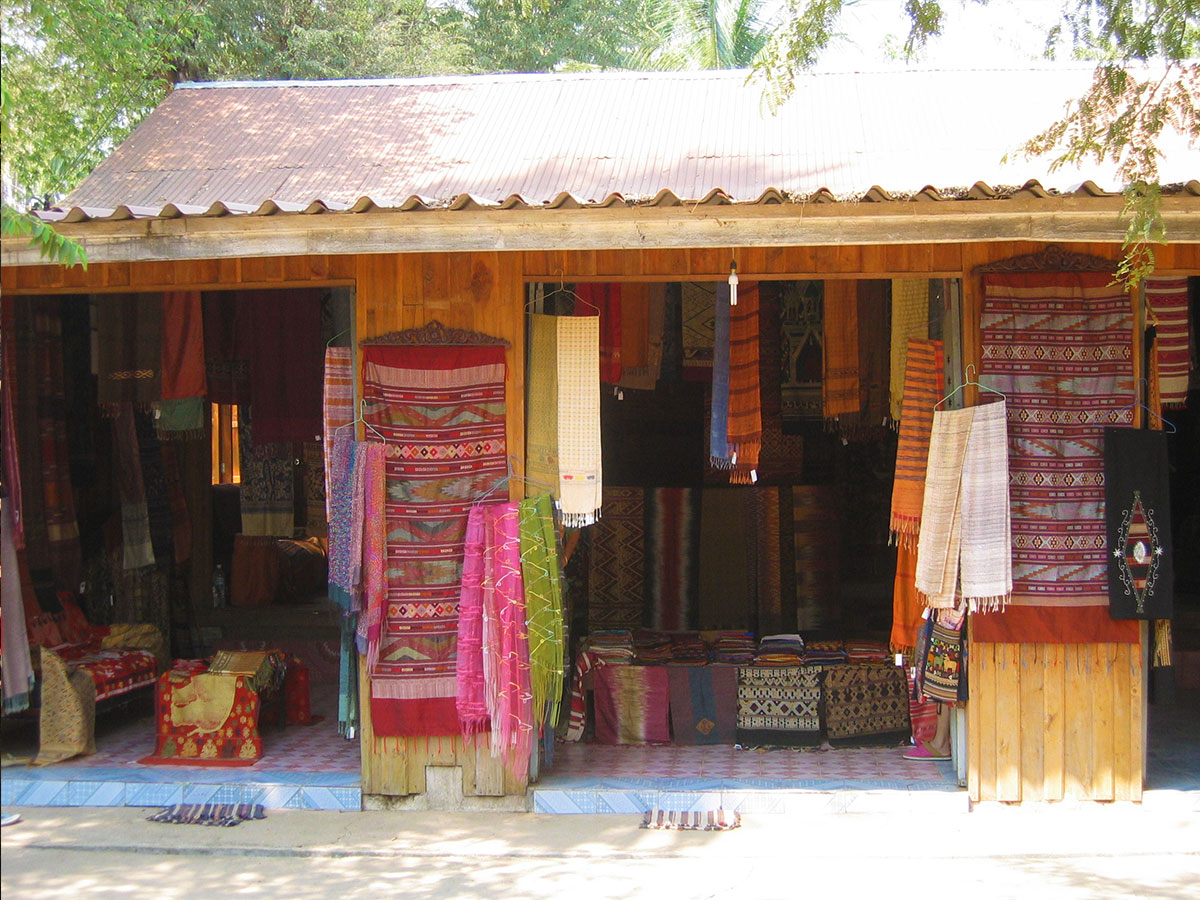
Textile production is one of the most important traditional handicrafts in Luang Prabang. The city is known for its high-quality silk and cotton textiles, which are often used to make traditional Lao clothing, such as the sinh (a women's skirt) and the phaen (a men's loincloth). Luang Prabang textiles are also used to make a variety of other items, such as scarves, bags, and home furnishings.
Pottery
Pottery is another important traditional handicraft in Luang Prabang. The city is home to a number of villages where potters have been producing high-quality pottery for centuries. Luang Prabang pottery is typically made from red clay and is decorated with intricate patterns and designs. Potters in Luang Prabang produce a wide range of items, including pots, bowls, plates, and vases.
Wood Carvings
Wood carving is another traditional handicraft in Luang Prabang. The city is home to a number of skilled wood carvers who create a variety of items, including Buddha statues, temple decorations, and furniture. Luang Prabang wood carvings are known for their intricate designs and fine craftsmanship.
Silverwork
Silversmithing is another important traditional handicraft in Luang Prabang. The city is known for its high-quality silver jewelry and other silver items. Silversmiths in Luang Prabang produce a variety of items, including necklaces, earrings, bracelets, and rings. They also produce larger silver items, such as serving trays and tea sets
Ock Pop Tok Living Craft Center: Ock Pop Tok is a non-profit organization that works to preserve and
Morning Market: The Morning Market is one of the best places to find a wide variety of traditional handicrafts at affordable prices. The market is located on Sisavangvong Road and is open from 6:00 AM to 8:00 AM.
Traditional Arts and Ethnology Centre (TAEC): TAEC is another non-profit organization that works to promote and preserve Lao culture and heritage. The TAEC shop features a variety of high-quality traditional handicrafts from different ethnic groups in Laos.
Local gastronomy
Luang Prabang is celebrated for its exquisite Lao cuisine, featuring iconic dishes like laap, a minced meat salad, and tam mak hoong, a spicy papaya salad.
The city's culinary scene is diverse, offering traditional Lao delicacies such as or lam pork stew and khai phaen roasted algae sheets, alongside high-quality French cuisine. While multinational fast-food chains are absent, the city's streets are adorned with restaurants along Sisavangvong Rd, the Mekong, and Nam Khan rivers, serving everything from backpacker favorites to gourmet meals.
Exploring the vibrant street food culture is a must, with vendors offering affordable delights like fried spring rolls, priced at 3,000 kip for vegetable and 5,000 kip for pork.
One unique local specialty is khai phaen, made from Mekong algae dried into sheets, seasoned with sesame seeds, chilies, and oil. When flash-fried, it becomes a crispy, flavorful snack that pairs perfectly with beer. Other must-try dishes include or lam, a mild pork stew infused with chili wood, and the distinct Luang Prabang Khao Soi, a spicy clear mince and noodle soup, different from its Chiang Mai counterpart. Additionally, the city offers delectable French baguettes, bakery items, and peppery local watercress, enhancing the culinary experience in Luang Prabang. Locals add a twist to the Lao staple, tam màk hung (papaya salad), giving it a unique Luang Prabang flavor by incorporating crab juice.
Entertainment and nightlife
In Luang Prabang, the nightlife is vibrant, despite the town's curfew at 11:30 PM. While the Old Town adheres to the curfew, bars just outside the main area stay open later. The Bowling Alley is a popular spot for backpackers, offering cheap drinks and bowling rounds after curfew. Sakura Bar is a favorite dance venue, known for its lively atmosphere, free whiskey buckets, and great DJs.
ATTRACTIONS
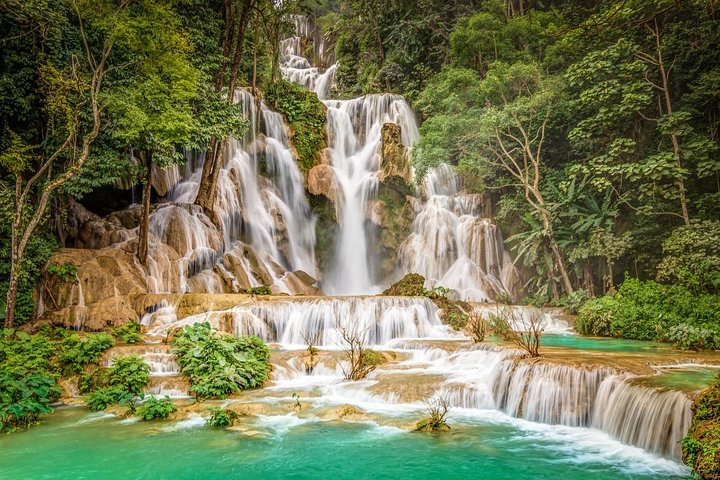
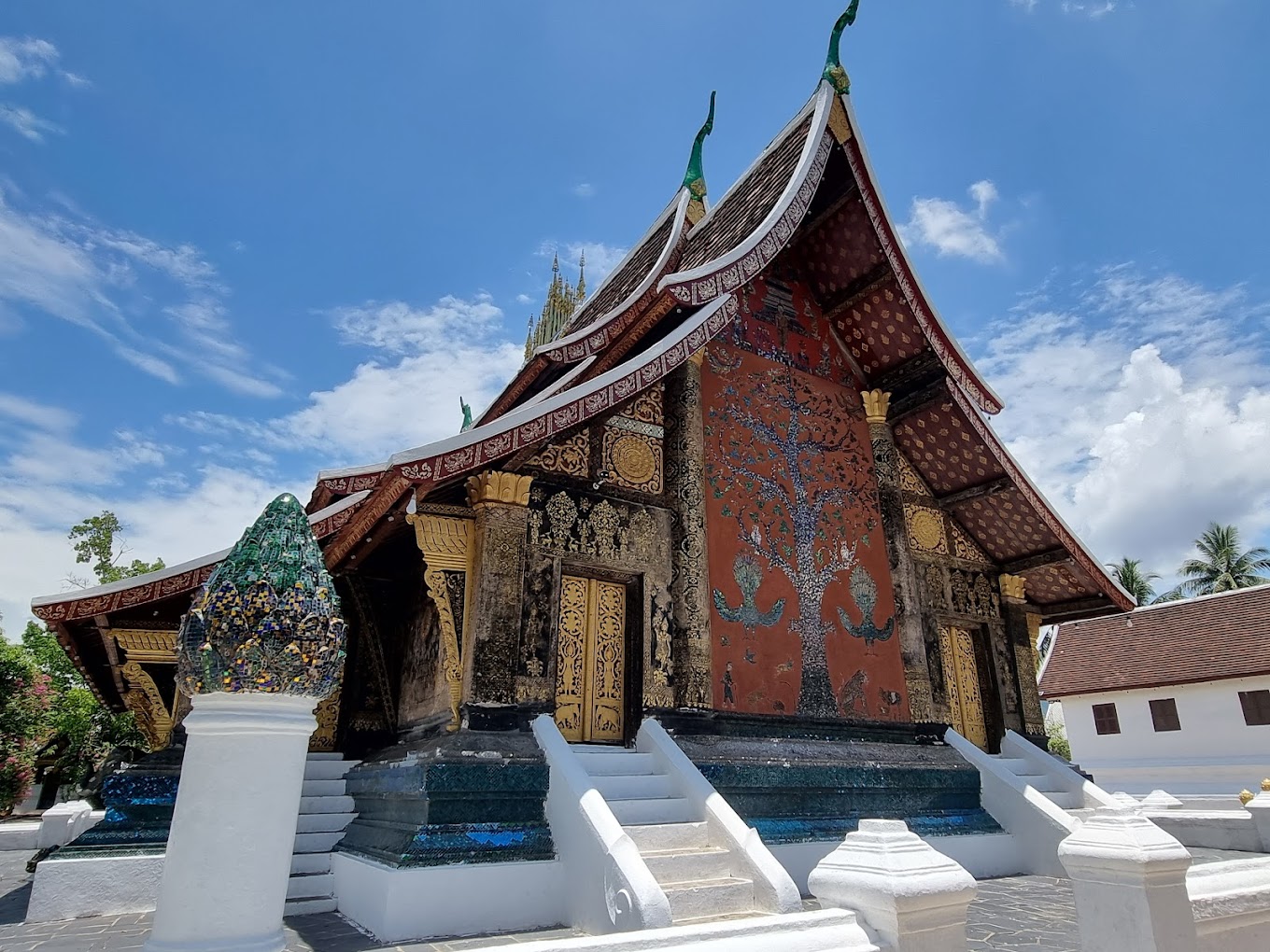
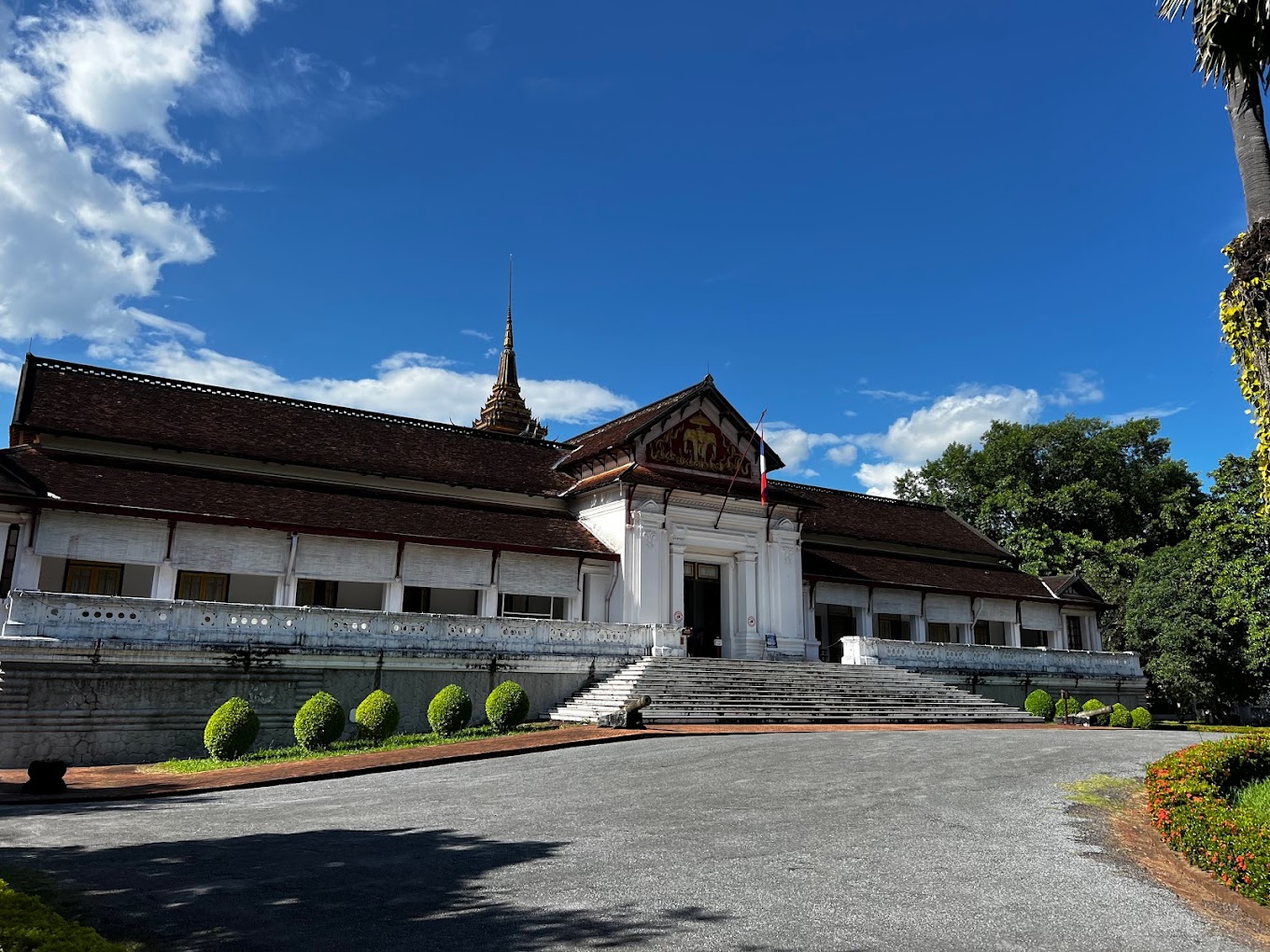
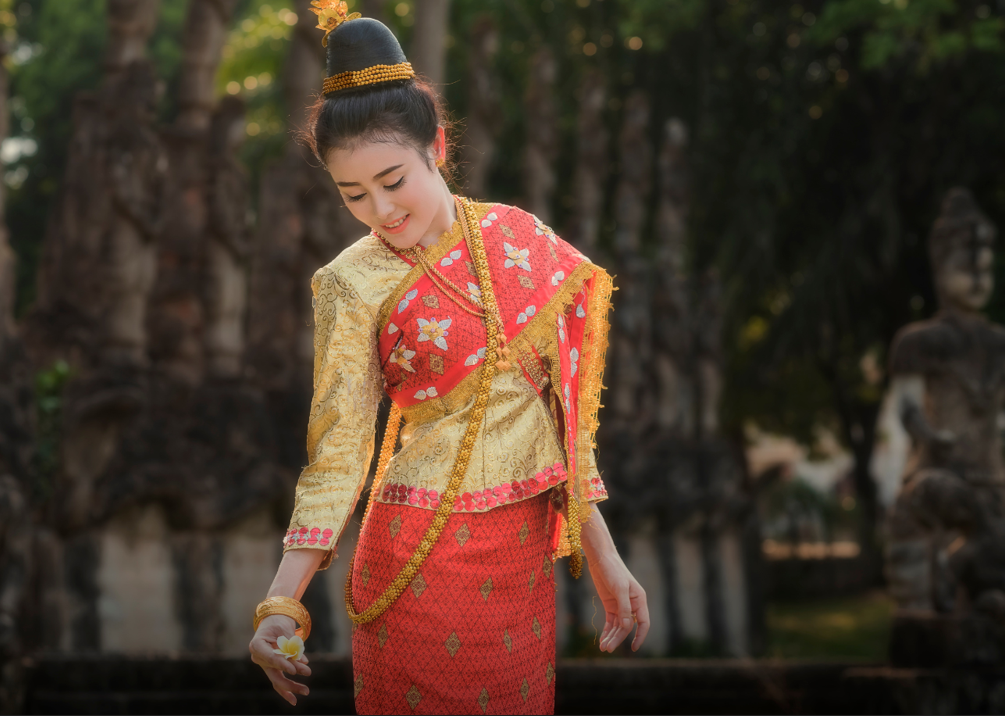
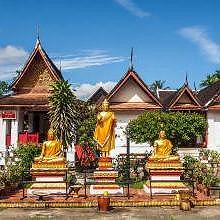
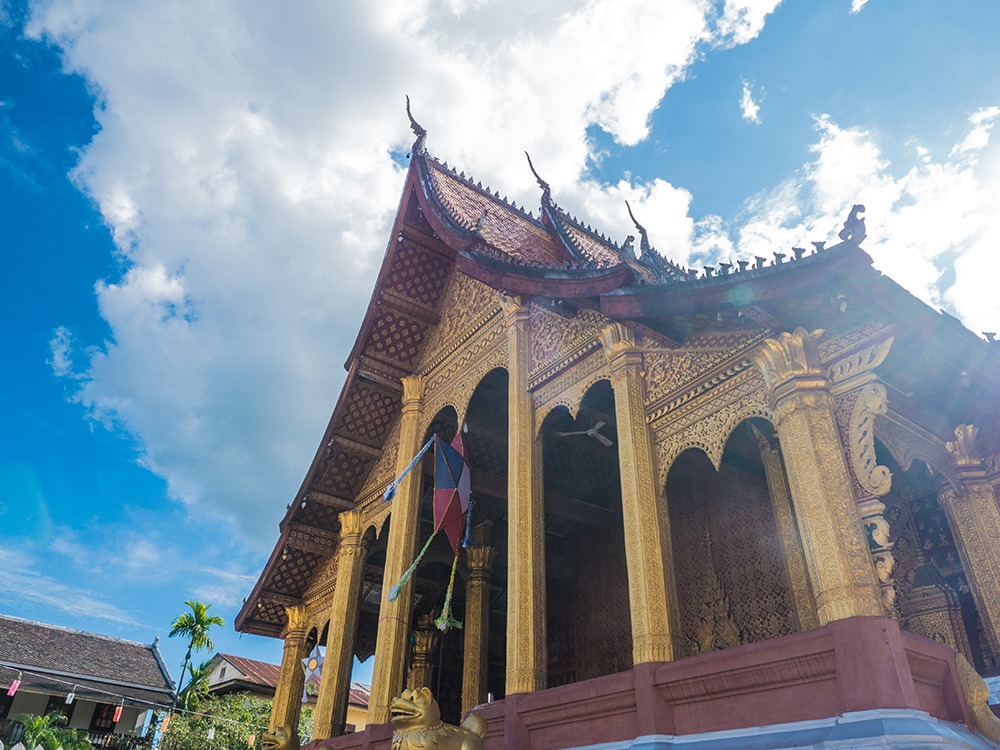
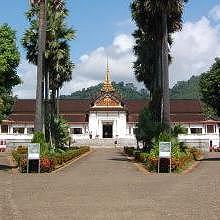
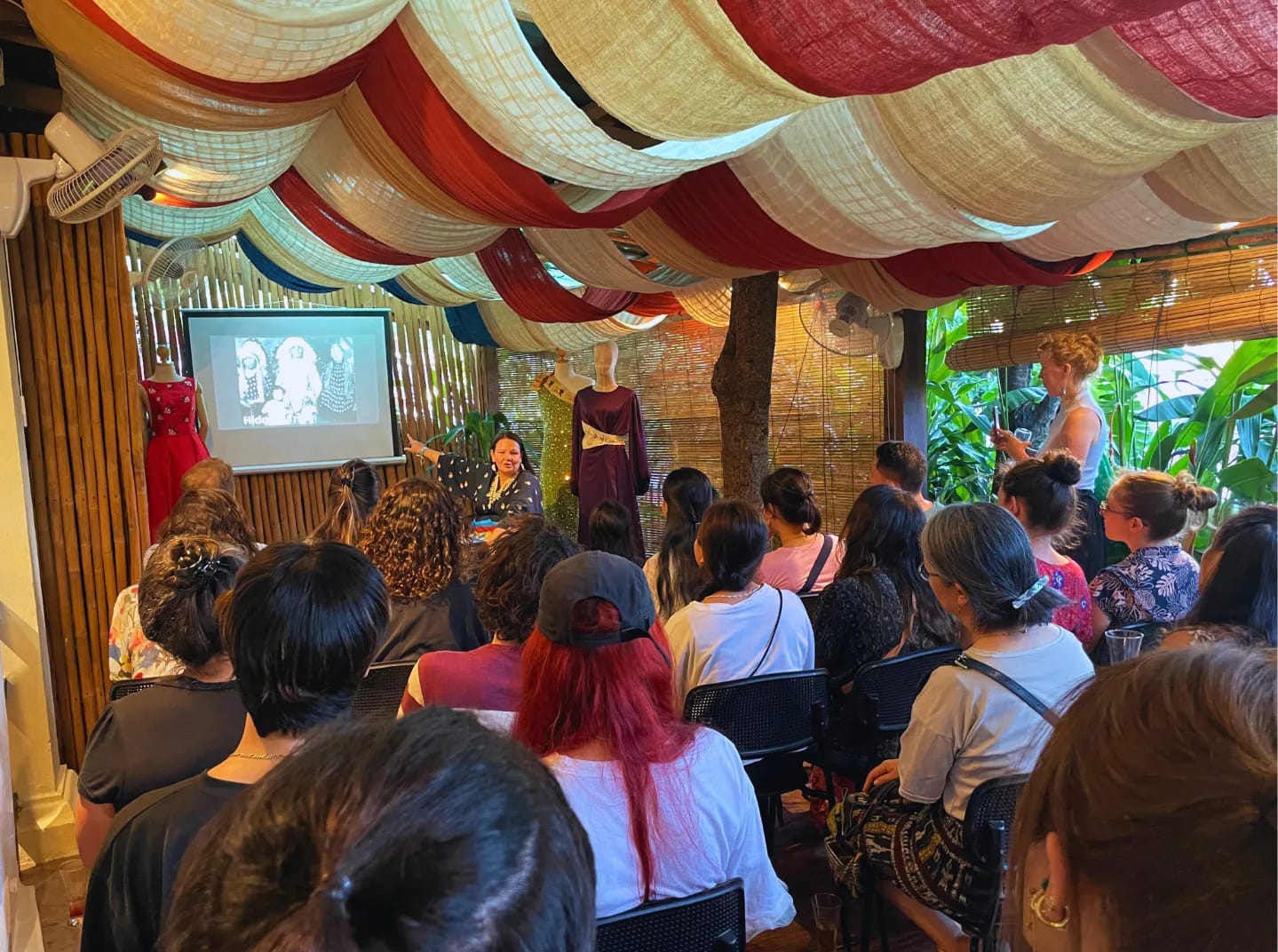
The Traditional Arts and Ethnology Centre (TAEC)
Museums
Photo Credit: ‘Tourism Authority of Thailand’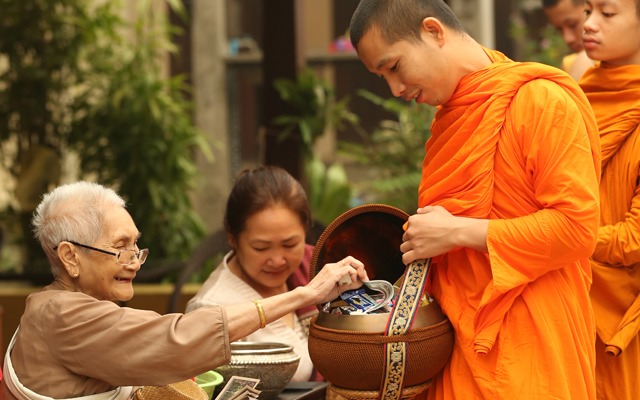
STAY
In Luang Prabang, you'll find a diverse array of accommodation choices, ranging from budget-friendly guesthouses and hostels to luxurious hotels and resorts. For a more authentic experience, there are traditional Lao-style guesthouses that offer a unique stay. Accommodation in Luang Prabang varies widely and tends to be pricier compared to other parts of the country. Whether you're looking for budget bunk beds or lavish five-star resorts, Luang Prabang caters to every budget. Affordable options are often found along the Nam Khan River, while proximity to the Mekong River usually correlates with higher prices. Due to Luang Prabang's UNESCO Heritage status, hotels with swimming pools are situated outside the old city.


